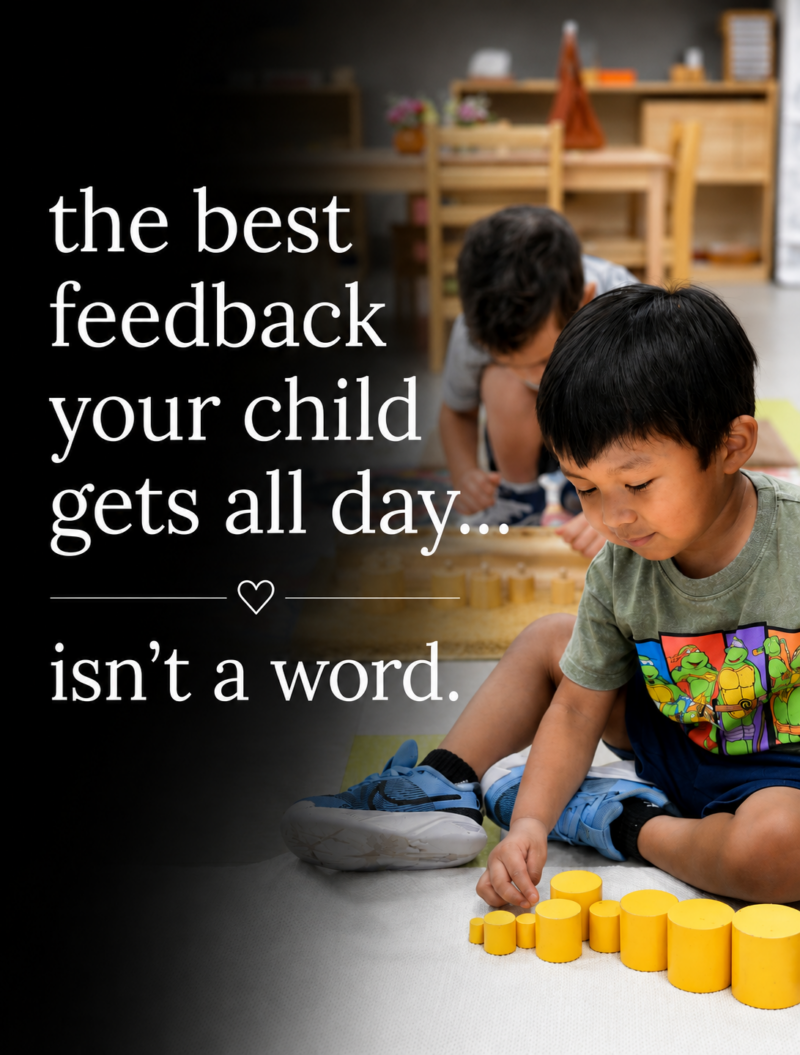
“Be careful.”
“Not like that — here, let me.”
We give our children feedback all day long. But what is it actually teaching them?
You’ve probably said all three of those today. I certainly have.
And if I’m honest, I’ve been guilty of both extremes. At home, I could be the demanding parent who always saw what could be better. In the classroom, I was the opposite — “good job,” “good job,” “good job,” a hundred times a day.
It took me a long time to even notice I was doing either one. Longer still to ask whether it was working.
Here’s the idea that changed how I think about it. We treat feedback like encouragement — the more, the better. But feedback is more like a gift. Every time we respond to a child, we hand them something.
Sometimes it’s confidence. Sometimes it’s curiosity. Sometimes, without meaning to, it’s a fear of getting things wrong.
The words take a second to say. What they build can last a lot longer.
The trouble with “you’re so smart”
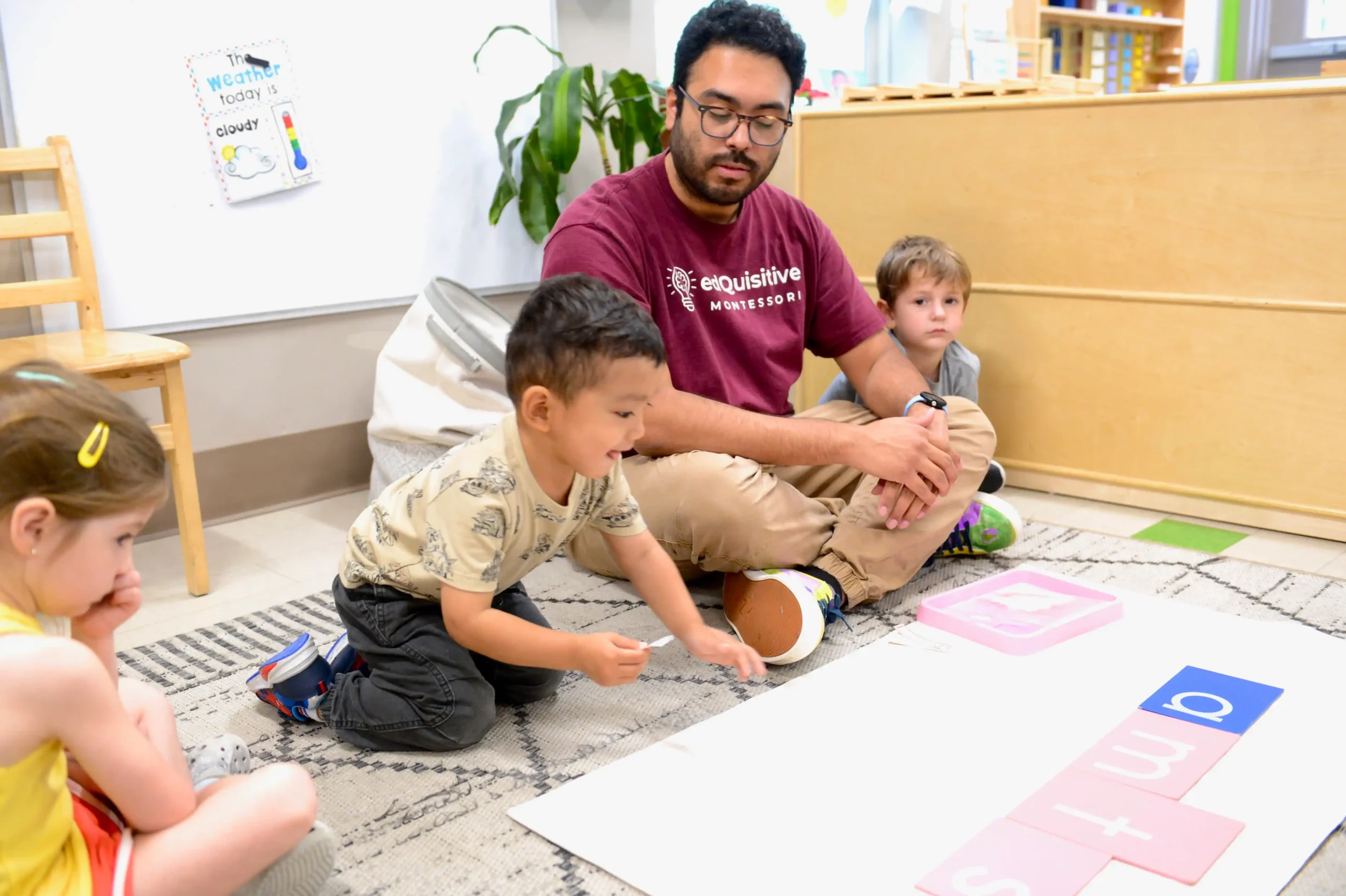
There’s a well-known study I come back to often. Researchers gave kids some puzzles, then praised them two different ways. Some were told they were smart. Others were told they’d worked hard.
Then the puzzles got harder.
The kids who’d been called smart gave up sooner, enjoyed it less, and did worse. The ones praised for effort kept going.
Same kids. The only thing that changed was one sentence.
Here’s why. When you tell a child they’re smart, you hand them a label. And now they have to protect it. So the next time something’s hard, they have a quiet choice: try, and maybe fail, and maybe not be smart after all — or don’t try, and keep the label safe.
A lot of kids choose safe. Not because they’re lazy. Because it feels less risky.
The fix is small (we go deeper on it in what to say instead of “good job”). Instead of praising who they are, describe what they did:
- Instead of “you’re so smart” → “you kept working even when it got hard.”
- Instead of “good job” → “you tried three pieces before you found the one that fit.”
- Instead of “you’re such a good artist” → “you used long blue lines here and little circles there — tell me about them.”
One catch, though: empty praise for effort isn’t much better than empty praise for talent. Kids know when they barely tried. “You worked so hard” rings false when they didn’t. The goal isn’t to swap one automatic phrase for another. It’s to actually pay attention.
The feedback that sounds like criticism
Here’s the strange part. The opposite of gentle praise isn’t “never be honest.” Sometimes the most loving feedback barely sounds like praise at all.
Jensen Huang, who runs NVIDIA, has talked about growing up with parents who showed love through criticism. If he really cares about someone, he’s said, he gives them thoughtful, detailed feedback. Saying “good job” is the easy way out.
That’s not a case for being harder on our kids. It’s a case that real feedback takes attention. And what matters isn’t criticism versus praise — it’s whether you’re talking about the child or about the work.
“You’re so messy” points at the child. “The paint’s dripping — what might catch it?” points at the work.
“You’re not a math person” points at the child. “That way didn’t work — what else could you try?” points at the work.
Aim at the child, and a setback becomes a verdict on who they are. Aim at the work, and it becomes a problem they can solve. That’s true whether you’re praising or correcting.
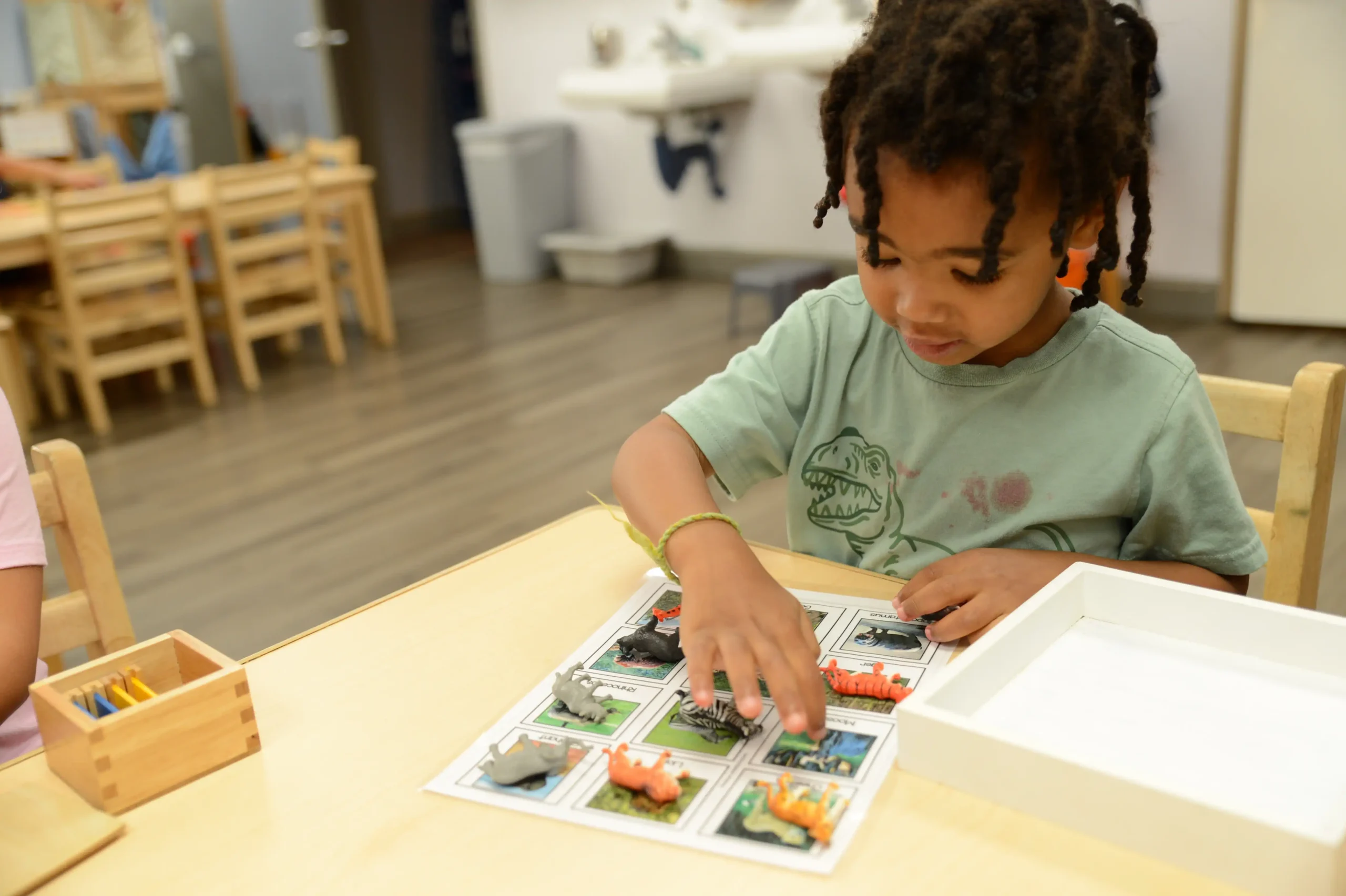
There’s still a limit. Constant criticism — even good, specific criticism — can teach a child that nothing is ever quite good enough. High expectations without warmth tend to build achievement on the surface and insecurity underneath. The value was never in being hard on children. It was in caring enough to look closely, respond honestly, and stay near while they work.
The feedback that isn’t a word at all
Some of the strongest feedback doesn’t come from us at all.
Picture a child pouring water from a little pitcher. You can see the spill coming, and everything in you says step in: “Careful!” “Here, let me.” That comes from love — and from not wanting the mess. But if the spill is small and safe, stepping in takes the lesson with it.
Now picture waiting. The water spills. The child sees it, looks at the pitcher, gets a cloth, and tries again — slower this time, or with two hands.
Nobody had to turn it into a correction. The feedback came straight from what happened. The tower falls, so the base gets wider. The piece won’t fit, so it gets turned. The shoe feels wrong, so the other foot gets checked.
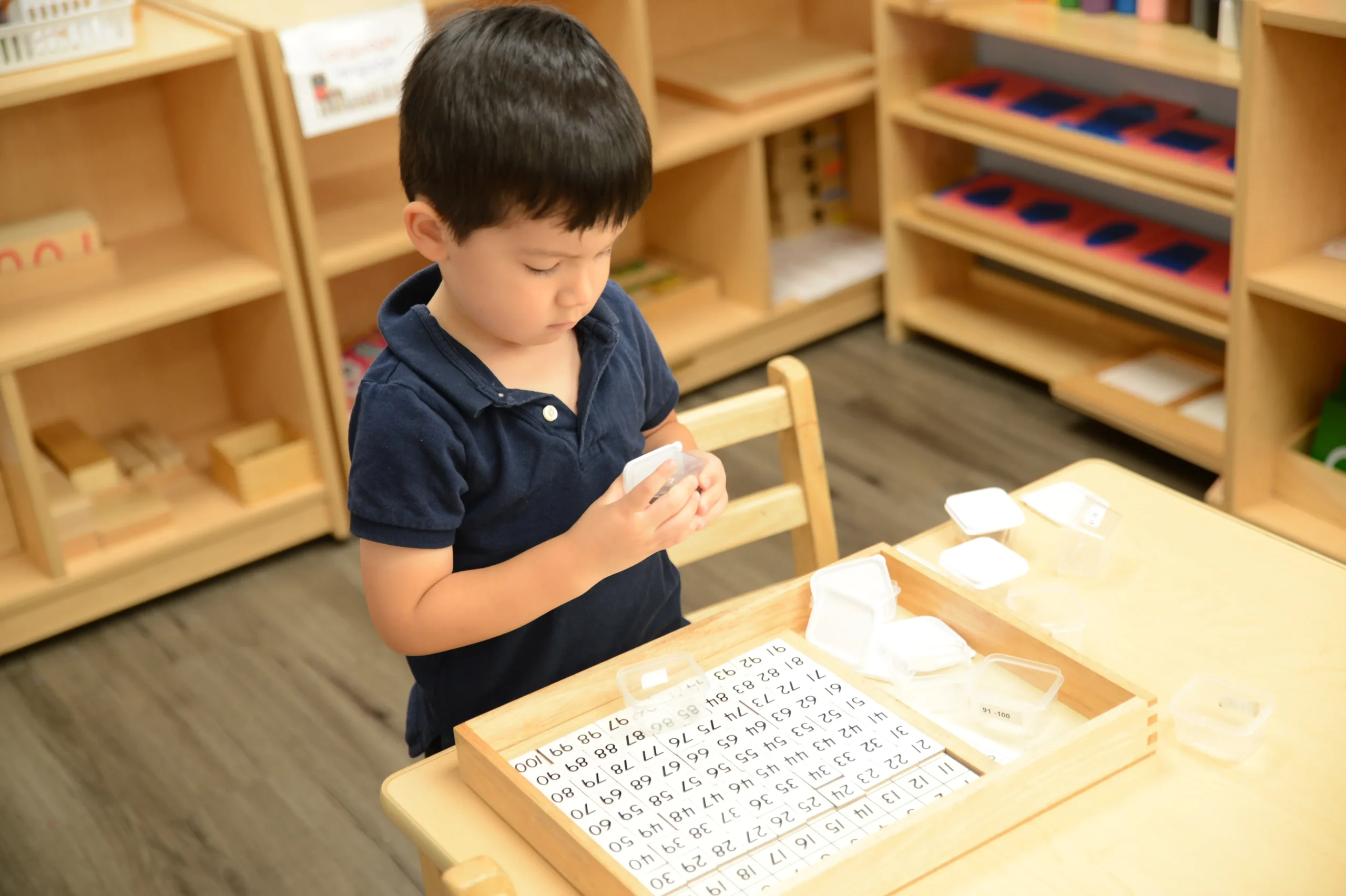
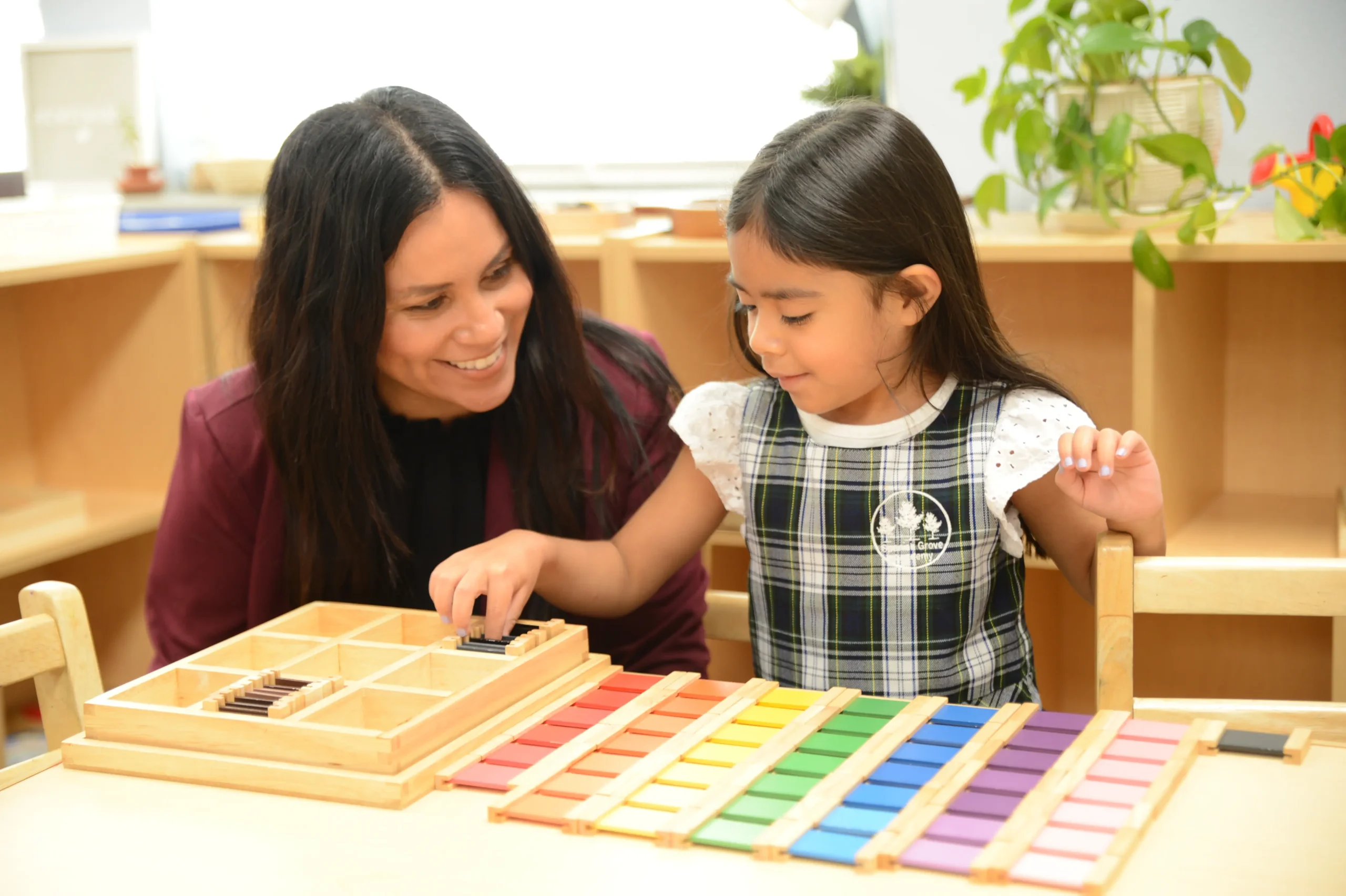
This is one of the ideas a Montessori classroom is built on — what we call the control of error. Many of the materials let a child see for themselves when something’s off, so they catch and fix the mistake, not the adult. The child never has to look up and ask, “Did I do it right?” They notice, adjust, and try again.
That builds something praise can’t: trust in their own judgment. And it doesn’t take special materials. It just takes letting a small, safe mistake finish — which is harder than it sounds, because helping is faster, correcting is cleaner, and doing it yourself keeps the morning moving.
But confidence doesn’t grow from hearing “you can do it” on repeat. It grows from proof a child collects firsthand: I tried. Something went wrong. I changed what I was doing. I figured it out. One spilled cup, one stubborn puzzle, one quiet “I did it” at a time.
What all of it has in common
Praise, correction, silence — they look like three different things. Underneath, they do the same job: each one teaches a child how to make sense of what just happened.
This whole idea came together for me at a dinner table in Japan. I was traveling with my two daughters, both grown now, when the conversation turned to feedback.
For years, I was the one giving it — sometimes as the demanding parent who always saw what could be better, and sometimes as the “good job” cheerleader. Now the direction has reversed. They give feedback to me: about my work, my ideas, and occasionally my parenting.
I watched them use two different approaches right there at the table. One softened a difficult truth. The other named exactly what I could do better. And it struck me that they were practicing, as adults, the same skill I’d fumbled toward years earlier with a pitcher of water and a stack of blocks.
The stakes change. The skill does not.
A three-year-old learning to pour and an adult learning to lead are shaped by the same question: is the feedback about who I am — or about what I can do next?
So the next time your child looks up from a drawing, a fallen tower, or a puzzle that won’t cooperate, pause before the automatic “good job.” Tell them what you actually saw. Ask a real question. Offer one useful piece of information. Or say nothing, and give them a moment to notice for themselves.
Because the gift was never praise, criticism, or silence. It was attention.
Sarit Kapur is the founder of Edquisitive Montessori, serving families across the Boerne and San Antonio area, and host of the podcast Conversations for the Beginning Years. He has worked in education for more than 20 years and is the father of two daughters — who now give him as much thoughtful feedback as he once gave them.
More in this series
This is part of a set of pieces we’ve written on feedback in the early years:
- What to Say Instead of “Good Job” — why praising effort beats praising the label.
- What Jensen Huang Taught Me About Feedback — the honest kind, and why it can be love.
- Feedback in the Montessori Classroom — how the environment teaches without a word.
Frequently Asked Questions
What should I say instead of “good job”?
Describe what you actually saw instead of handing down a verdict. Try “you kept working even when it got hard,” “you found another way to make that work,” or “you spent a long time on that.” Pointing at a child’s effort and choices — rather than labeling them smart or talented — keeps them willing to take on hard things.
Is it bad to tell my child they’re smart?
It’s less about bad and more about what it teaches. Praising a fixed trait like intelligence can make a child feel they have to protect that label by avoiding things they might fail at. Praising effort and strategy encourages them to keep trying. You don’t have to stop encouraging — just aim it at what they did.
What is “control of error” in Montessori?
It means the activity itself shows the child when something’s gone wrong, instead of an adult correcting them — water that spills when a pitcher tips too far, a puzzle piece that won’t fit. The child notices and adjusts on their own, which builds independence and trust in their own judgment.
How do I give feedback without discouraging my child?
Aim it at the work, not the child, and keep it specific — “the tower fell, what could make the base stronger?” rather than “you’re careless.” Pair honesty about the work with warmth about the person, so a child hears “I believe you can do this better,” not “you’re not good enough.”