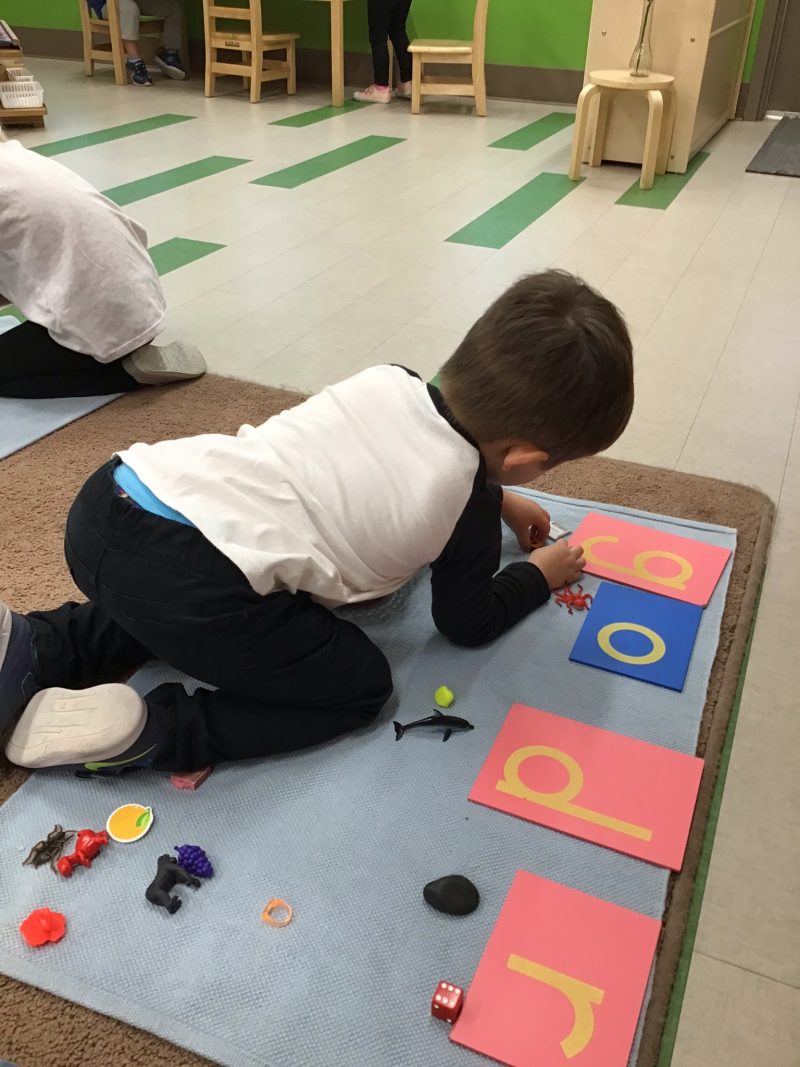
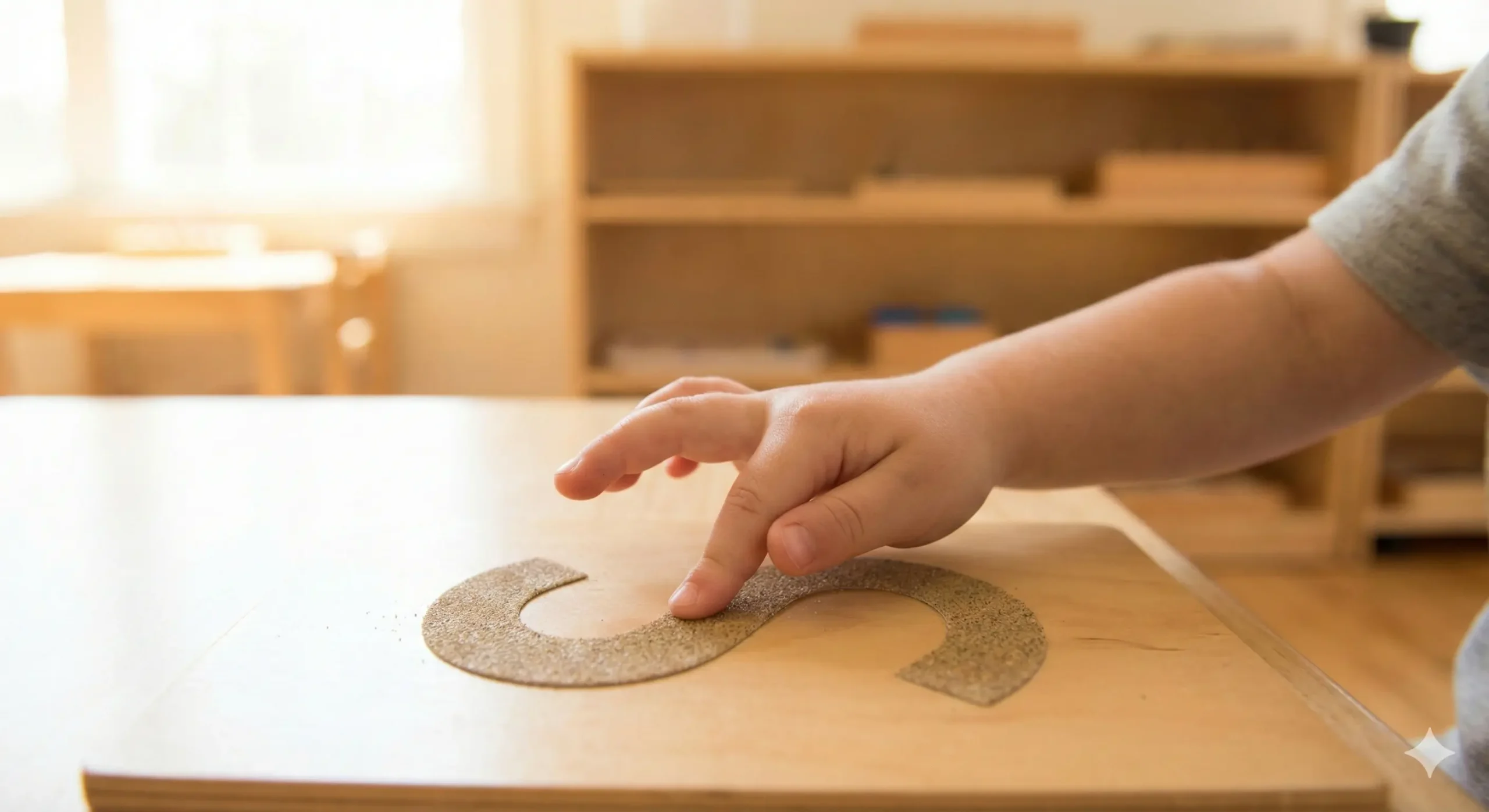
Before children can write letters, they need to feel them. That’s the genius behind Montessori sandpaper letters—a hands-on approach to letter formation that engages multiple senses simultaneously.
When a child traces a sandpaper letter with their fingers, three things happen at once:
This multi-sensory approach creates stronger neural pathways than simply looking at letters on a worksheet. The child’s brain connects the physical movement, the sound, and the visual shape into one integrated memory.
Traditional preschools often rush children to hold pencils and write on lined paper before they’re developmentally ready. This can lead to frustration, awkward pencil grips, and negative associations with writing.
The Montessori progression is different:
| Stage | Activity | What It Builds |
|---|---|---|
| 1 | Sandpaper letter tracing | Letter recognition, sound-symbol connection, muscle memory |
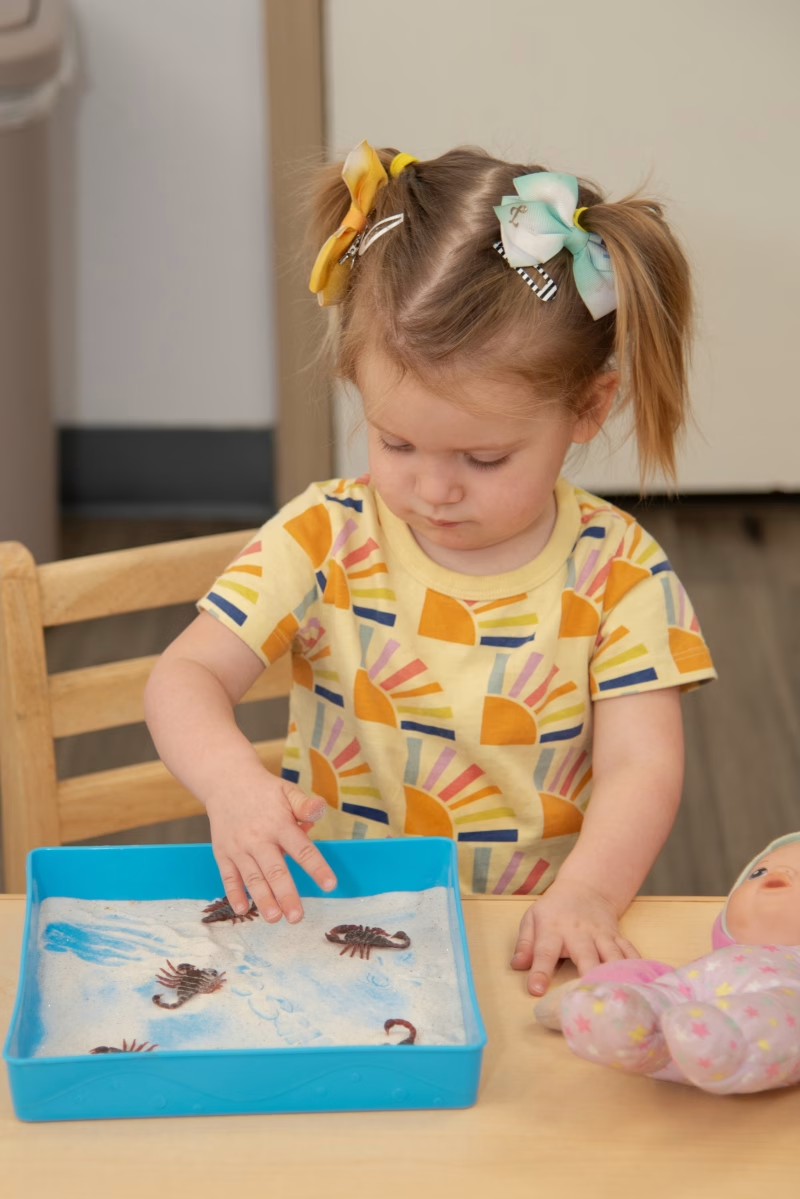
| 2 | Writing in sand/salt trays | Large motor letter formation without pressure |
| 3 | Chalkboard writing | Vertical surface strengthens shoulder stability |
| 4 | Paper and pencil | Fine motor precision, proper grip |
By the time children reach pencil and paper, they’ve already internalized letter shapes through hundreds of repetitions. Writing feels natural, not forced.
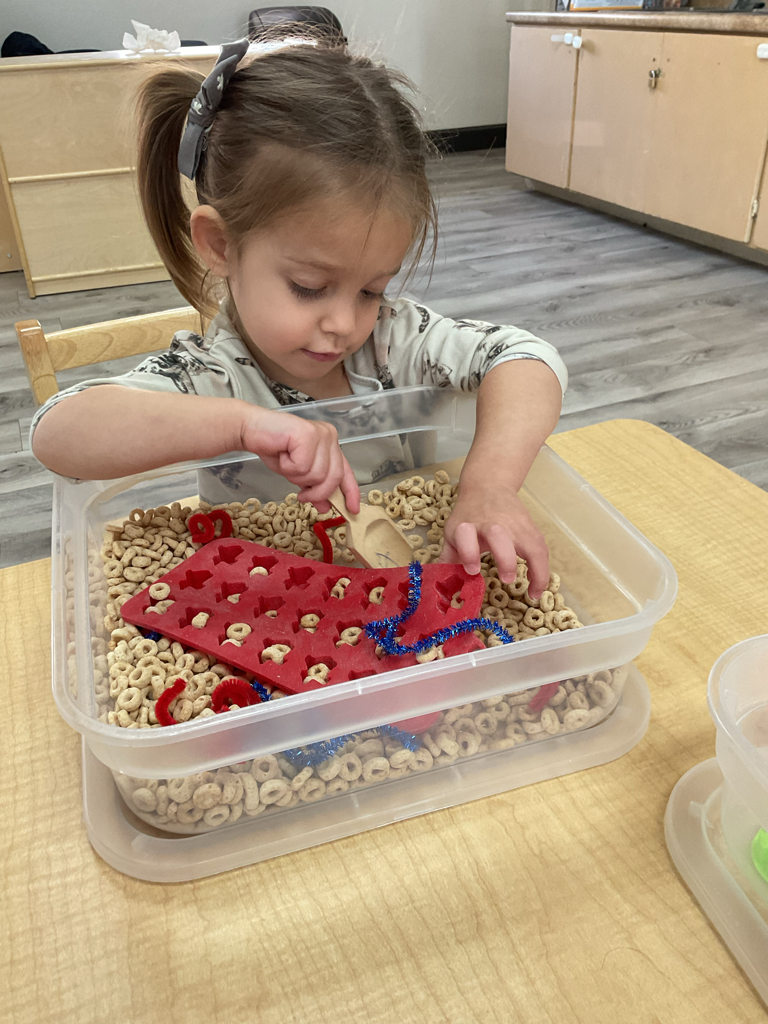
You don’t need fancy materials to support letter tracing at home:
The key is making it sensory and playful—not drilling worksheets.
Explore more from our Montessori classroom:
Subscribe to our YouTube channel →
Want to see how our Curiosity Studios support early literacy development? Schedule a tour at any of our four San Antonio and Boerne campuses.
🏅 Cognia Accredited
⭐ Texas Rising Star 4-Star
📚 Authentic Montessori
🌎 Bilingual Immersion
Kindergarten registration is right around the corner—Boerne ISD, NISD, NEISD, and other San Antonio Area school districts opens enrollment in March 2026, and if you’re […]
Quick Answer: Is Elf on the Shelf Real? No, the Elf on the Shelf is not real. It’s a holiday tradition where parents move a […]
The Deep Work of Toddlerhood—And the Special Teachers It Demands If you’re a parent of a toddler, you know the feeling: they are non-stop. Their […]
One approach, multiple neighborhoods—each with its own sense of community.