The Deep Work of Toddlerhood—And the Special Teachers It Demands
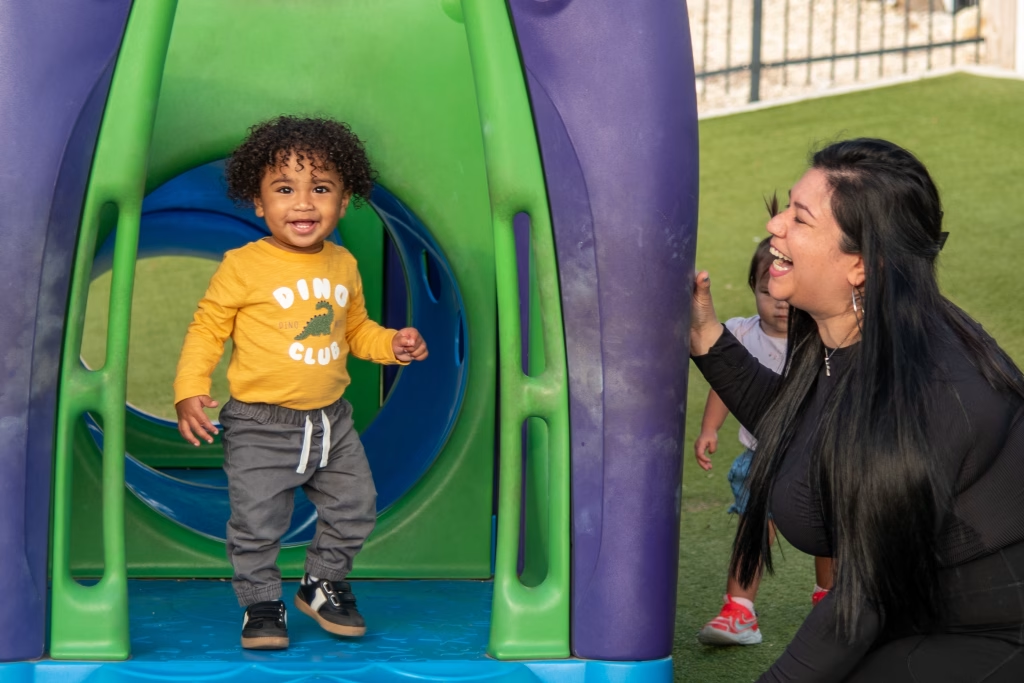
If you’re a parent of a toddler, you know the feeling: they are non-stop. Their energy is boundless, their focus seems scattered, and their actions can feel repetitive to the point of maddening. It’s easy to dismiss this constant motion as “toddler chaos” or brace yourself for the infamous “Terrible Twos.”
But what if we told you that tireless drive isn’t chaos at all?
It’s work. Real, meaningful, developmental work.
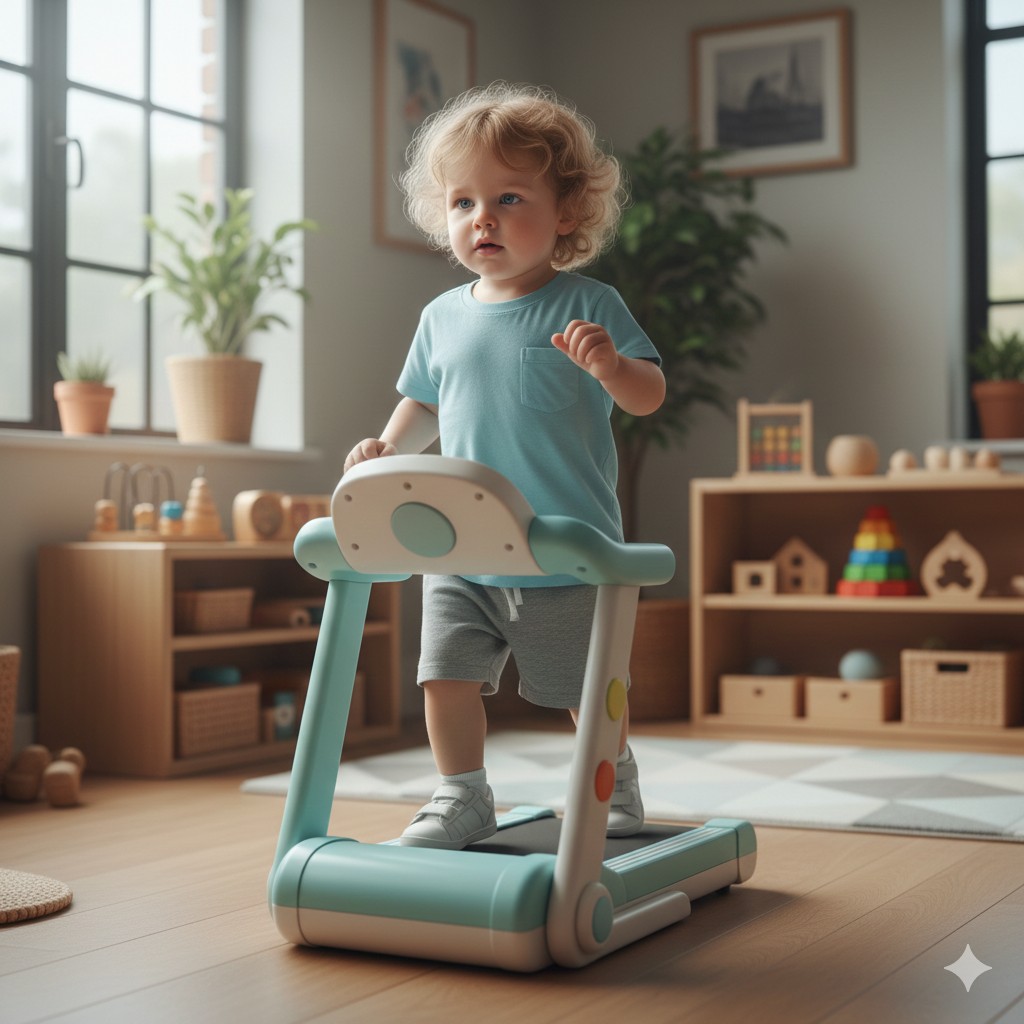
The Toddler Treadmill: Running on an Inner Blueprint
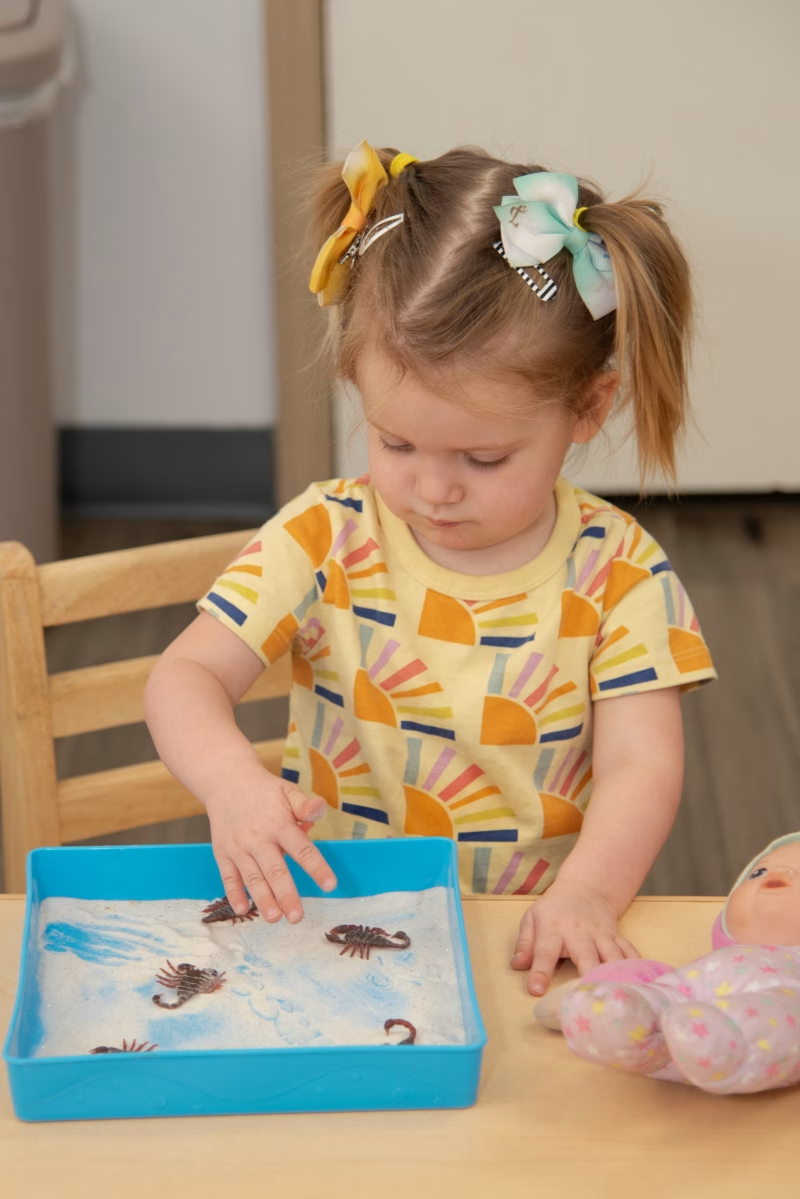
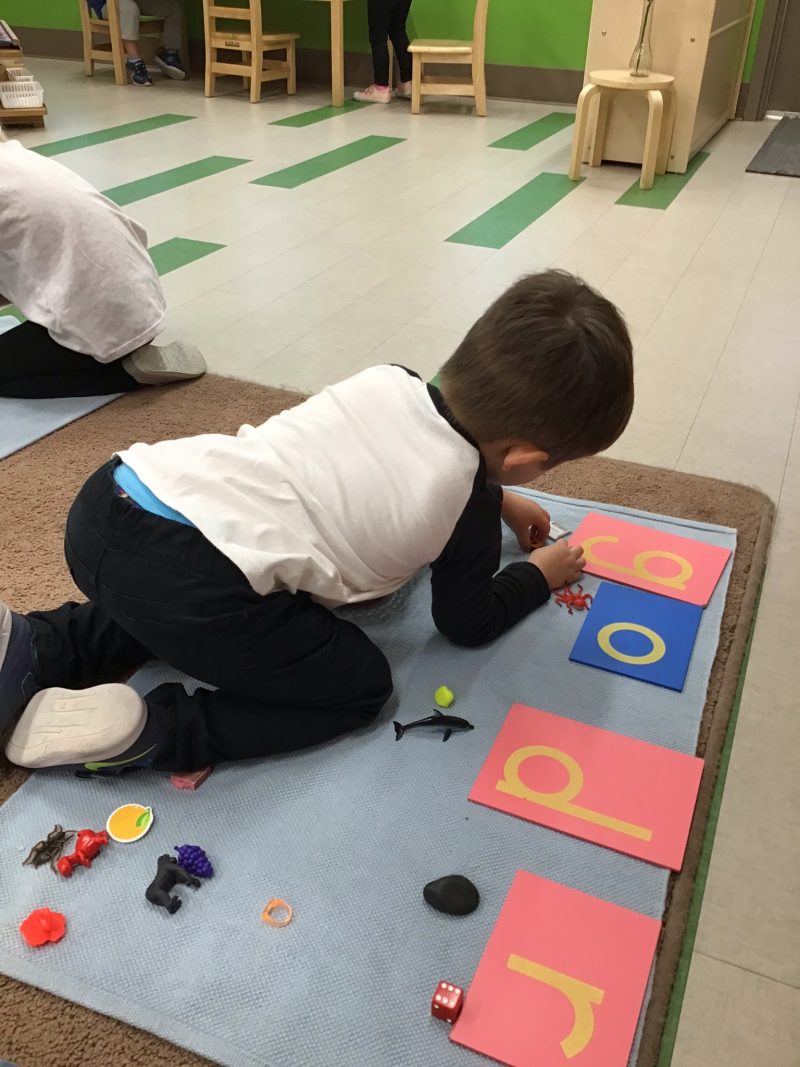
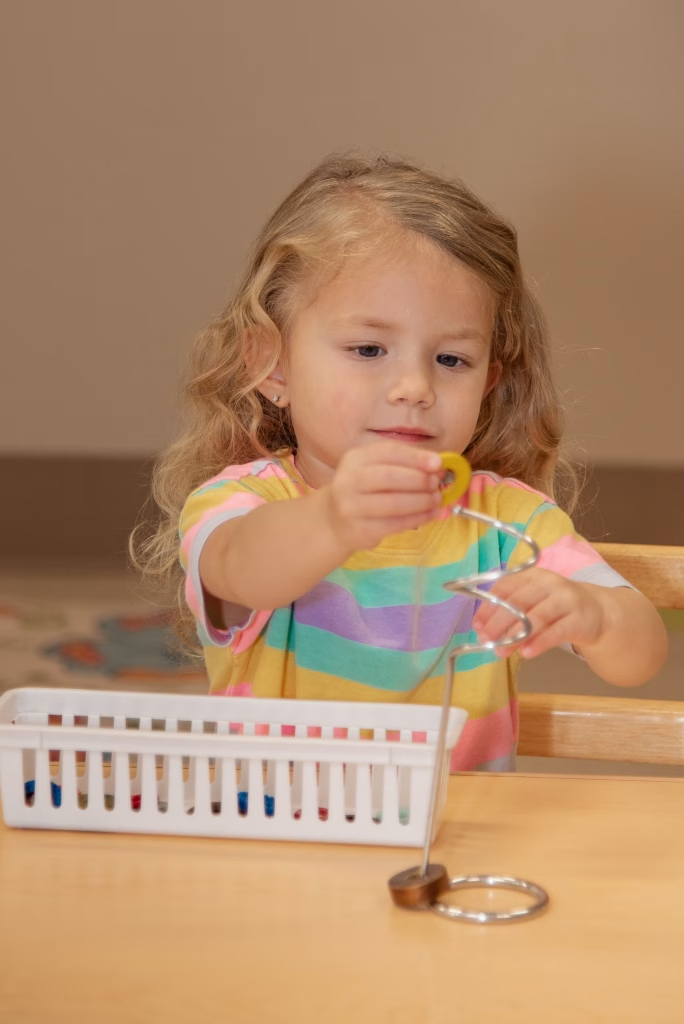
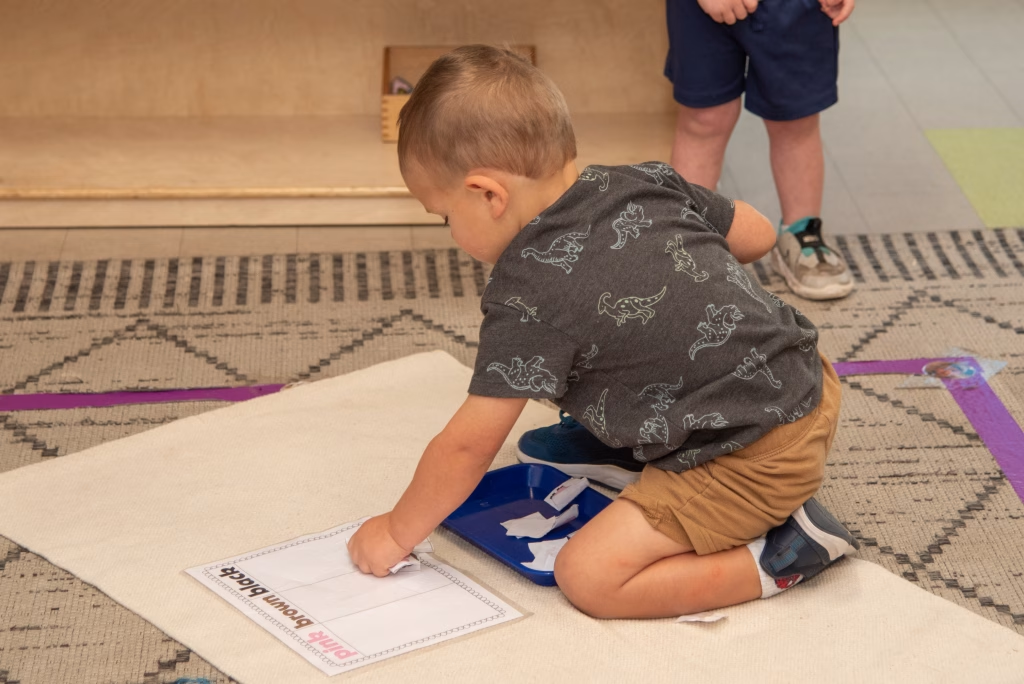
In Montessori environments, we see toddlers not as sources of frustration, but as tiny scientists running on their own internal treadmill of development. Every climb, every spill, every time they insist on carrying something heavy across the room—it’s their way of building coordination, concentration, and independence.
When a toddler repeats an activity over and over—pouring water until it spills, carrying a basket of blocks from one side of the room to the other twenty times, opening and closing a drawer obsessively—they’re not trying to drive you crazy. They’re answering an inner call that tells them exactly what skill they need to master next.
This repetition solidifies neurological pathways. It builds focus. It creates the foundation for self-regulation.
But here’s the thing: a toddler can’t do this deep work in just any environment. It requires the right space, the right materials, and most importantly, the right guide.
More Than a Caretaker: Why Toddler Teachers Are Different
Most settings treat toddler intensity as something to manage—redirect, distract, correct. But at Edquisitive Montessori, our teachers approach your child’s “treadmill” with profound respect.
What makes them different?
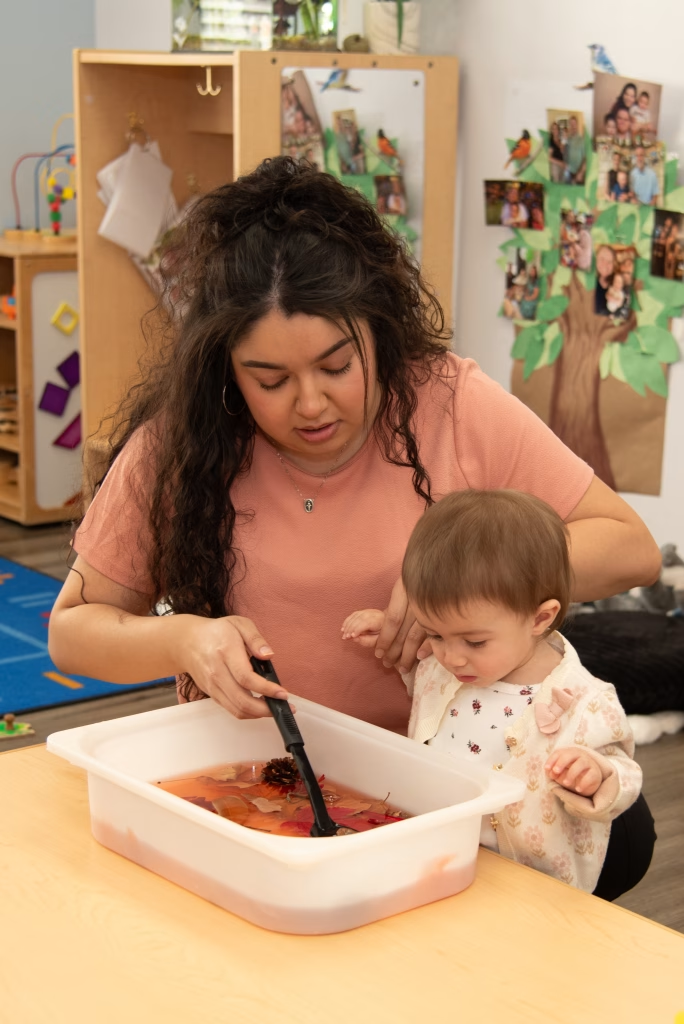
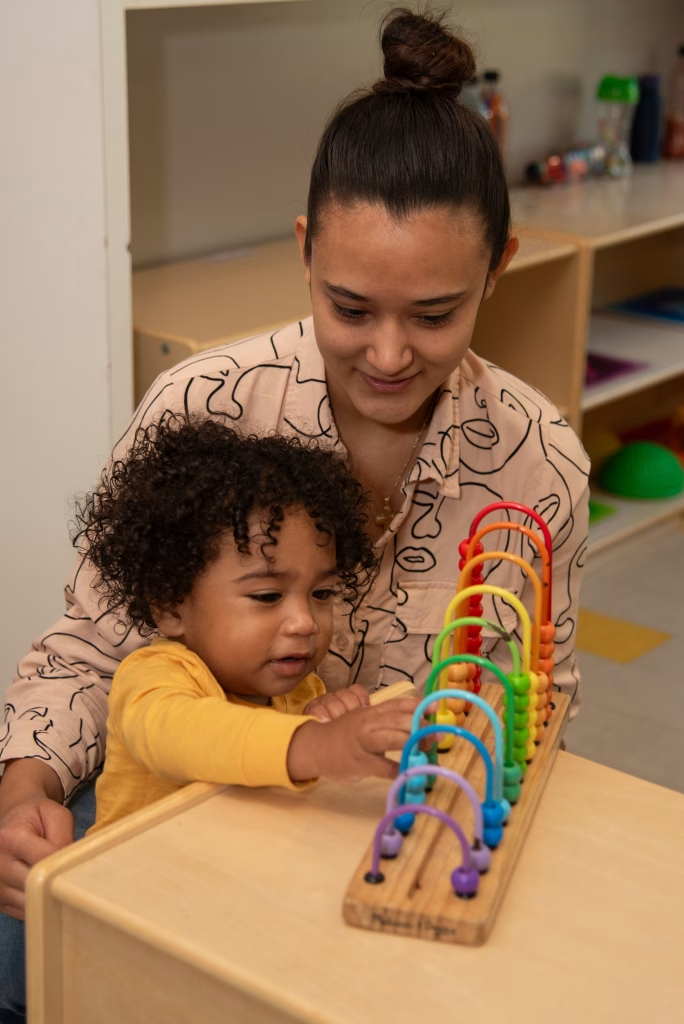
They observe, not just supervise. Our guides are trained to recognize sensitive periods—those fleeting windows when your child is hardwired to acquire a specific skill. They know when to introduce a lesson and, just as importantly, when to step back and let your child work without interruption.
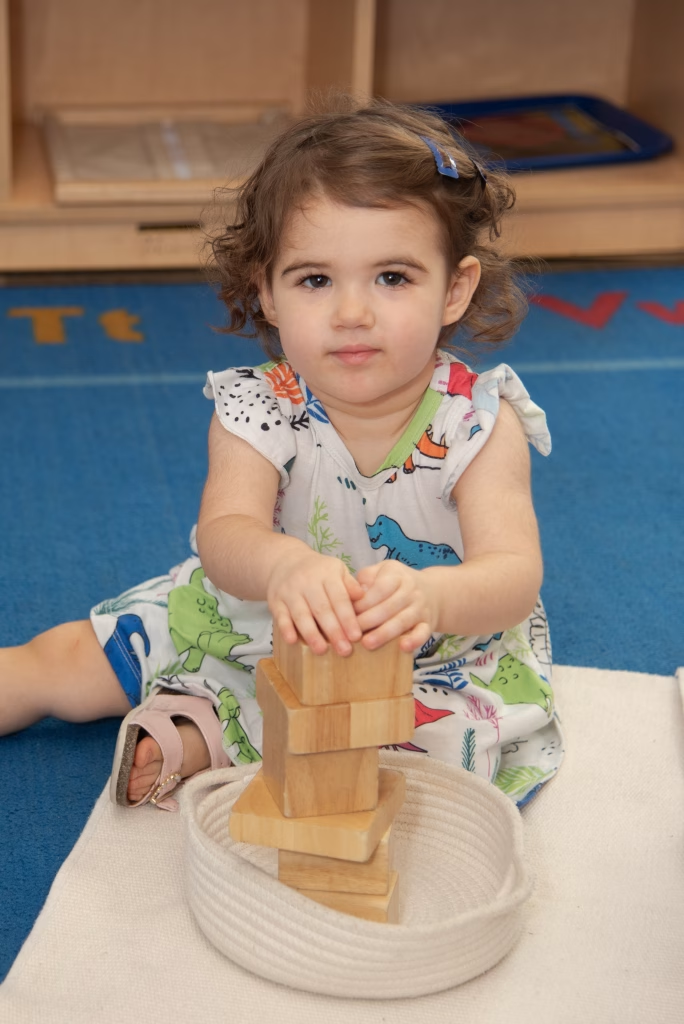
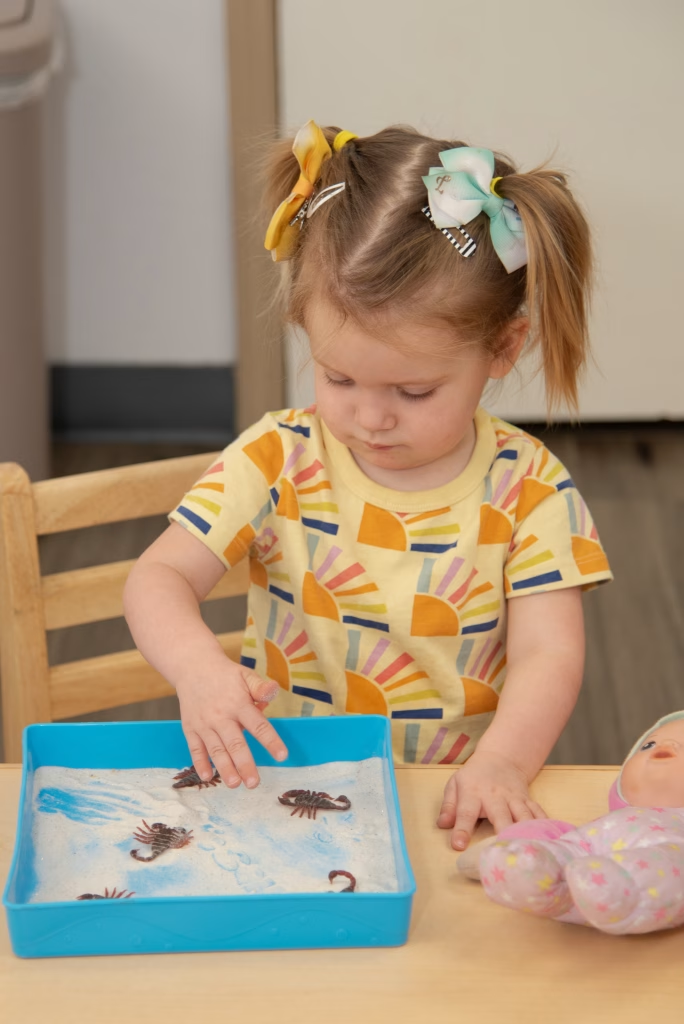
They prepare the environment with intention. Every material in the toddler classroom is there for a reason. Low shelves. Child-sized pitchers. Real tools. The setup minimizes frustration and maximizes meaningful work—so your toddler can pour without constant spills, carry without constant drops, and succeed without constant adult intervention.
They see behavior as communication. When a toddler melts down or acts out, our teachers don’t see “bad behavior.” They see an unmet need. They’re trained to redirect children toward constructive, hands-on work that helps them regulate themselves—not through punishment or time-outs, but through purposeful activity.
The result? A toddler who isn’t just busy, but purposeful. A child who isn’t just “managed,” but actively building the skills they’ll need for life.

What This Looks Like in Real Life
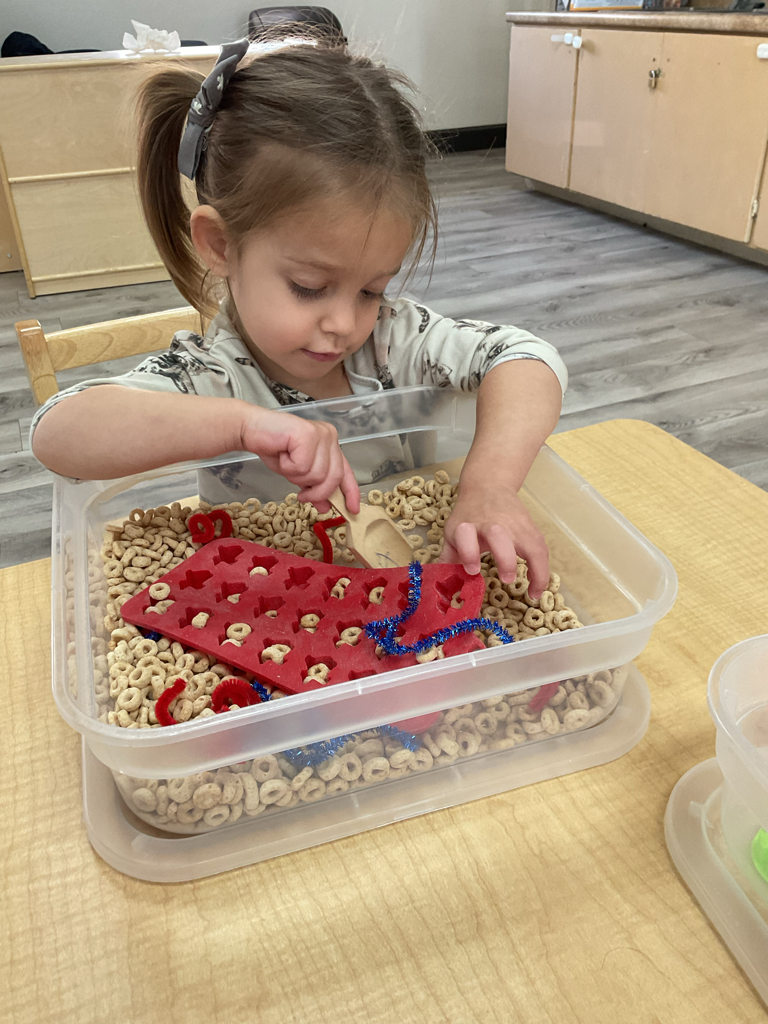
Picture this: A two-year-old spends fifteen minutes transferring beans from one bowl to another with a small spoon. To an outsider, it looks repetitive. Pointless, even.
But watch closely. Her hand steadies. Her grip refines. Her focus deepens. By the end, she’s not spilling a single bean—and she knows it. That’s not just fine motor practice. That’s confidence being built, one scoop at a time.
Or this: A toddler carries a small wooden chair across the room, sets it down, walks back, and does it again. And again. The teacher doesn’t stop him or ask him why. She watches. She knows he’s working on balance, spatial awareness, and the satisfaction of setting a goal and completing it—even if that goal is just “move the chair.”
This is the deep work of toddlerhood. And it only happens when the adults in the room understand what they’re looking at.
Another example: Toilet learning. When a toddler insists on trying to use the bathroom on their own—even when it takes forever and sometimes ends in accidents—they’re not being difficult. They’re practicing independence, body awareness, and self-care. Our teachers support this work patiently, understanding that the process matters more than the perfection.
Your Child’s Work Starts Here
The toddler years aren’t something to “get through.” They’re foundational. This is when children learn how to focus, how to persist, how to regulate their emotions and trust their abilities.
That’s too important to leave to chance.
We invite you to see our Montessori-trained guides in action and tour the environments we’ve prepared specifically for toddlers. Come watch the scientists at work.
Schedule a tour at one of our four San Antonio and Boerne locations.
Frequently Asked Questions
Our toddler program serves children from around 18 months through age 3. We look at each child’s readiness individually rather than going strictly by the calendar.
Our toddler classrooms are designed specifically for this age group. We maintain low teacher-to-child ratios (required by Texas Rising Star 4-star standards), and everything is toddler-height and toddler-accessible. The environment does a lot of the work, and our teachers know exactly when to step in and when to let toddlers work through something independently.
Absolutely. Most toddlers are still learning toilet independence. We support toilet learning as part of our daily routine—bathroom breaks, celebrating successes without pressure, and handling accidents matter-of-factly. Pull-ups or diapers are fine. We meet them where they are.
Biting happens in toddler classrooms—it’s a normal part of development. We respond immediately: comfort the child who was bitten, help the child who bit learn to use words instead, and document everything for both families. If biting becomes a pattern, we work with families to create a consistent plan between home and school.
Toddlerhood is one of the most critical learning periods. Children are learning to communicate needs with words, share and take turns, follow routines, and practice life skills like pouring and washing hands. They’re also getting early language exposure in both English and Spanish. These aren’t “cute” skills—they’re foundational for kindergarten and beyond.
Each child has their own cot in a quiet, dimmed space. We keep nap time consistent and calm. Some fall asleep immediately, others need time to settle, and a few might not nap at all. We stay with them and offer comfort, but we don’t force sleep.
Separation anxiety is completely normal. Most toddlers have tears at drop-off, but within five to ten minutes they’ve moved on—playing, eating snack, or exploring. We acknowledge their feelings and redirect them to something engaging. Short, confident goodbyes work best. And you can always call for an update during the day.
Toddlers need more hands-on guidance, shorter activities, and lots of repetition. Teachers constantly model language and behavior. Preschoolers can sit for circle time, follow multi-step directions, and work independently longer. Think of it this way: toddlers are learning how to learn. Preschoolers are learning what to learn.
Yes! We encourage it. Seeing the classroom in action gives you a much better sense of your child’s day than an empty room. We’ll introduce you to the lead teacher, show you the daily schedule, and answer your questions. Schedule a tour at one of our four San Antonio and Boerne locations.