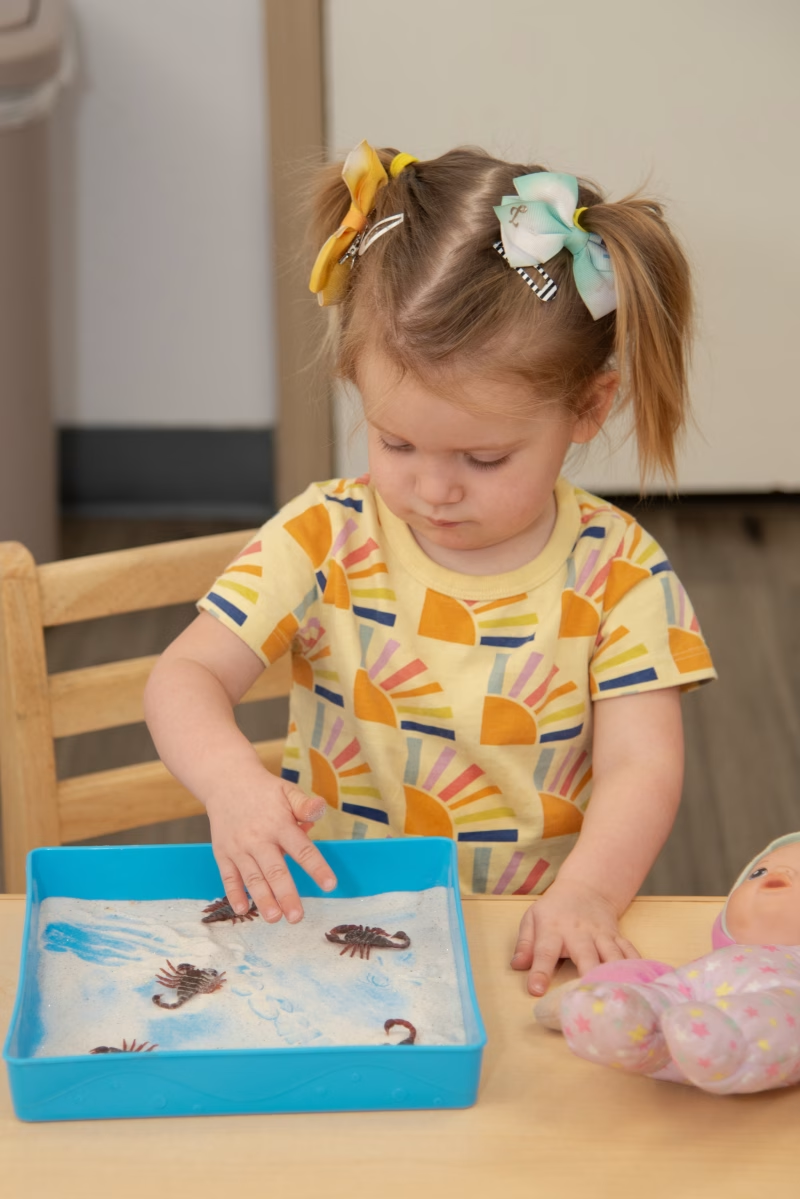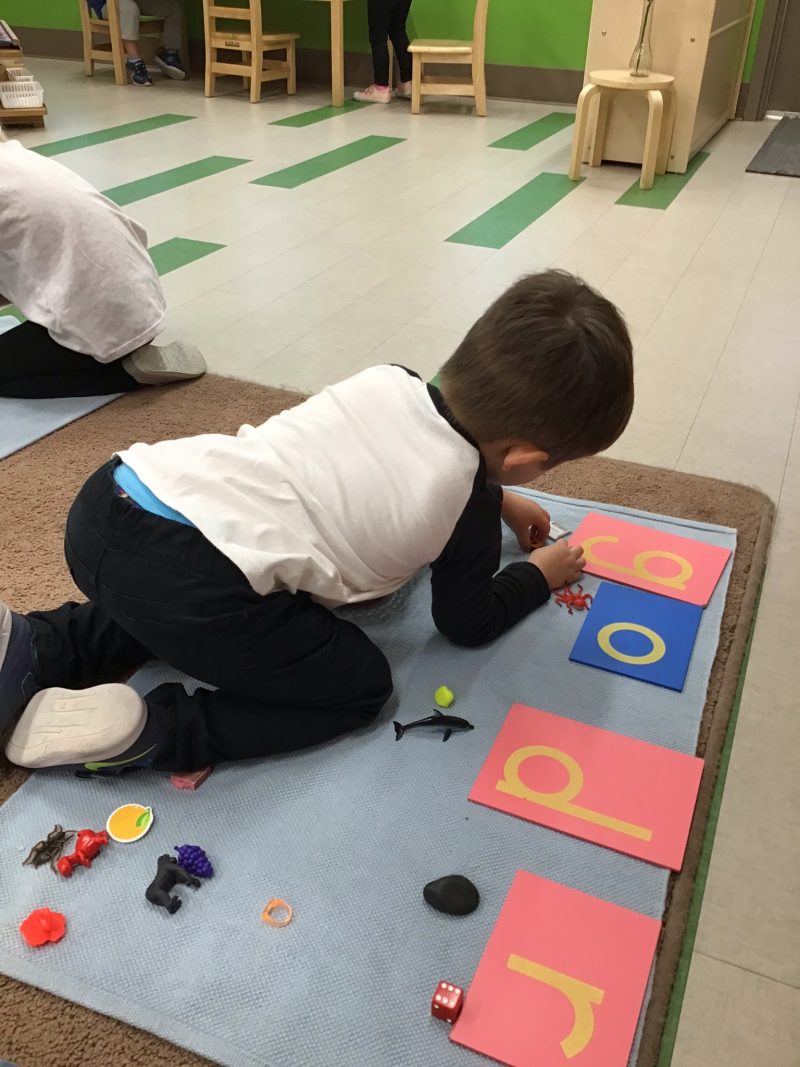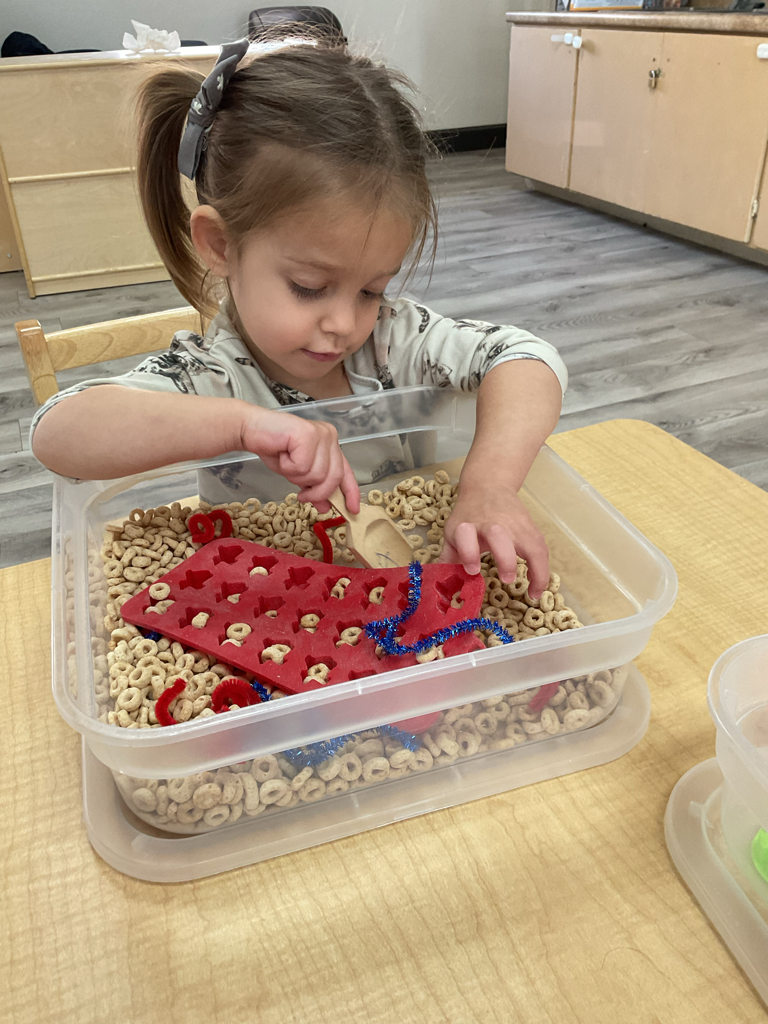
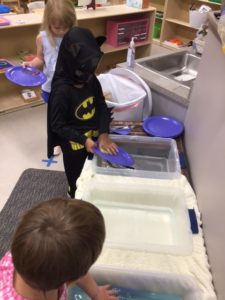
Even Batman washes dishes in the Montessori environment. If you’ve ever watched a three-year-old carefully scrub a plate, dry it with a towel, and place it back on the shelf — completely absorbed in the task — you’ve witnessed something powerful happening.
That child isn’t just cleaning. They’re building concentration, developing fine motor control, learning sequencing, and gaining the confidence that comes from real responsibility. In Montessori education, we call these practical life activities — and they’re the foundation everything else is built on.
What Are Montessori Practical Life Activities?
Practical life activities are real, purposeful tasks that children see adults do every day: pouring water, folding clothes, setting the table, watering plants, sweeping floors. In a Montessori classroom, these aren’t chores assigned as punishment — they’re carefully designed learning experiences that build skills children will use for the rest of their lives.
Maria Montessori observed that young children have an intense drive to do what adults do. They don’t want to play with toy kitchens — they want to work in real kitchens. They don’t want to pretend to sweep — they want to actually sweep. Practical life activities channel this natural drive into meaningful work.
“The hands are the instruments of man’s intelligence.” — Maria Montessori
📺 Watch: Practical Life in Our Classroom
Why Dishwashing Matters So Much
Dishwashing might seem simple, but watch what’s actually happening when a child washes dishes:
🧠 Concentration
The multi-step process requires sustained attention — scrub, rinse, dry, put away. This builds the same focus they’ll need for reading and math.
✋ Fine Motor Skills
Gripping the sponge, controlling water flow, manipulating dishes — all strengthen the small muscles needed for writing.
📋 Sequencing
Understanding that steps happen in order — first wet, then soap, then scrub, then rinse — is the same logical thinking needed for math and reading.
🎯 Independence
“I can do it myself” isn’t just a toddler phrase — it’s a developmental need. Completing real tasks builds genuine confidence.
🏠 Care of Environment
Children learn they’re responsible for their space. This sense of ownership and stewardship stays with them for life.
🤝 Grace & Courtesy
Contributing to the community, helping others, taking turns at the sink — social skills develop naturally through shared work.
The Four Categories of Practical Life
In a Montessori classroom, practical life activities fall into four main categories:
1. Care of Self
Dressing frames (buttons, zippers, snaps, laces), hand washing, brushing teeth, combing hair, putting on shoes and coats. These activities build the self-care skills children need for independence.
2. Care of Environment
Sweeping, dusting, polishing, watering plants, arranging flowers, washing tables, dishwashing. Children learn to care for and maintain their shared spaces.
3. Grace & Courtesy
Greeting others, saying please and thank you, waiting your turn, walking carefully around others’ work, resolving conflicts peacefully. The social skills that make community life possible.
4. Control of Movement
Pouring (dry then wet), transferring with spoons and tongs, threading beads, using scissors, walking on the line. Refining both gross and fine motor control.
📺 Watch: Independence in Action
Practical Life Activities by Age
Children at different ages are ready for different levels of complexity. Here’s what practical life looks like across the early years:

Toddlers (18 months – 3 years)
Toddlers are in the “I do it myself!” phase — and practical life activities channel that drive productively. At this age, activities focus on large movements and simple sequences: carrying a tray, putting toys back on shelves, wiping up spills, watering plants with a small pitcher, putting dirty clothes in the hamper, helping set the table with unbreakable items.
The key at this age is real participation, not perfection. A toddler who “helps” fold laundry is learning even if the towels aren’t perfectly folded. Learn more about our toddler program.
Preschoolers (3 – 6 years)
This is the prime age for practical life activities. Children can now handle multi-step sequences, more refined movements, and real tools. Dishwashing becomes possible. So does food preparation (spreading, cutting soft foods with child-safe knives, cracking eggs), polishing (silver, wood, shoes), sewing (large needles, burlap), and caring for plants and animals.
Dressing frames allow children to practice buttons, zippers, snaps, buckles, and laces in isolation before applying those skills to their own clothing. The preschool years are when these skills become automatic.
Kindergarteners (5 – 6 years)
By kindergarten, children have mastered most basic practical life skills and are ready for more complex challenges: following recipes, hosting visitors, teaching younger children, leading classroom jobs, and taking on multi-day projects like caring for a classroom garden. They become leaders and role models in the mixed-age Montessori classroom.
📺 Watch: Learning Through Real Work
Practical Life Activities to Try at Home
You don’t need special Montessori materials to bring practical life home. Here are activities you can start today:
🍳 In the Kitchen
- Washing vegetables
- Tearing lettuce for salad
- Spreading butter or jam
- Pouring milk from a small pitcher
- Mixing ingredients
- Setting the table
- Wiping counters after meals
- Loading dishwasher (plastics first)
🧹 Around the House
- Dusting low surfaces
- Sweeping with child-size broom
- Watering indoor plants
- Folding washcloths and towels
- Sorting laundry by color
- Matching socks
- Putting toys away
- Making their bed (simplified)
👕 Self-Care
- Putting on shoes
- Zipping jackets
- Brushing teeth
- Washing hands thoroughly
- Combing hair
- Choosing clothes
- Dressing independently
- Packing their own bag
💡 Parent Tip: The Secret is Slowing Down
The hardest part of practical life at home isn’t finding activities — it’s resisting the urge to “help” (meaning: take over). Children need time to struggle, figure things out, and yes, make messes. A three-year-old pouring milk will spill some. That’s part of learning. Keep a small towel nearby and let them clean it up themselves.
How We Integrate Practical Life at Edquisitive
In our classrooms, practical life isn’t a separate “lesson” — it’s woven throughout the day. Children wash their own dishes after snack. They prepare their own food during cooking activities. They care for classroom plants and animals. They sweep up after art projects. They help younger children learn routines.
Our edScription curriculum builds on the Montessori practical life foundation with inquiry-based learning that connects these activities to bigger questions. When children wash dishes, they might explore: Where does water come from? Why does soap make bubbles? What happens to the dirty water?
This is the Montessori difference: even “simple” activities like dishwashing become opportunities for deep learning, independence, and joy.
📺 Watch: The Edquisitive Difference
Frequently Asked Questions
What are Montessori practical life activities?
Practical life activities are real, purposeful tasks — like dishwashing, food preparation, dressing, and caring for the environment — that help children develop concentration, fine motor skills, independence, and responsibility. They form the foundation of Montessori education.
Why is dishwashing important in Montessori?
Dishwashing builds concentration through multi-step sequences, develops fine motor control through gripping and manipulating, teaches order and responsibility, and gives children real contribution to their community. It’s a complete learning experience disguised as a simple chore.
At what age can children start practical life activities?
Children can begin simple practical life activities as toddlers (18 months). Carrying objects, wiping up spills, putting toys away, and helping with simple tasks all count. Activities become more complex as children develop — by preschool (3-6), children can handle multi-step tasks like dishwashing, food preparation, and caring for plants.
How can I do Montessori practical life at home?
You don’t need special materials — just invite your child to participate in real household tasks. Let them help with cooking, cleaning, laundry, and gardening. The key is giving them real responsibility (not toy versions), allowing time for them to work slowly, and resisting the urge to take over when they struggle.
What’s the difference between practical life and play?
Practical life activities are real and purposeful — actual dishes get clean, real plants get watered. Play kitchens are valuable for imaginative play, but they don’t build the same skills because there’s no real outcome. Children know the difference, and they crave real work that makes a real contribution.
How do practical life activities prepare children for academics?
Practical life builds the concentration, fine motor control, sequencing ability, and attention to detail that academics require. A child who can focus on washing dishes for 10 minutes can focus on reading. A child with strong fine motor control from pouring and manipulating is ready to write. The skills transfer directly.
See Practical Life in Action
The best way to understand practical life is to see it. Schedule a tour of any of our campuses and watch children at work — you’ll see the concentration on their faces as they complete real tasks, the pride when they finish, and the joy of contributing to their community.
Subscribe to Newsletter
Programs offered at Edquisitive Montessori Plus include:
✔️Infants (10 Weeks – 18 Months)
✔️Toddlers (18 – 36 Months)
✔️Primary (3-6 Years)
✔️Kindergarten
✔️Mother’s Day Out
✔️Spanish Immersion / Dual Language
✔️After School Programs and Summer Camp (6 – 12 Years)
Music, Spanish, and Yoga are other programs included as part of the tuition.
Learn more about Inquiry-based Learning