Kindergarten registration is right around the corner—Boerne ISD, NISD, NEISD, and other San Antonio Area school districts opens enrollment in March 2026, and if you’re considering charter schools, many application windows close even sooner (October through January). If you’re a parent of a preschooler, you’re probably asking yourself the question we hear constantly: Is my child ready?
After seven years of preparing San Antonio and Boerne children for this milestone, we’ve learned that the answer is almost never a simple yes or no. And honestly? That’s a good thing.
Here’s a sobering stat: approximately 40% of children in the U.S. start kindergarten lacking the skills they need for learning and social interaction. That’s not because parents aren’t trying—it’s because “readiness” is more complex than most people realize.
The Readiness Question Most Parents Ask
When families tour our campuses or meet with our educators, the kindergarten readiness conversation almost always starts the same way:
“Can they write their name?”
“Do they know their letters?”
“Can they count to 20?”
These are valid questions. These skills do matter. But here’s what we’ve learned after watching hundreds of children make the leap to kindergarten: the children who struggle most aren’t the ones who don’t know their ABCs. They’re the ones who can’t manage their emotions when things get hard, can’t follow multi-step directions, or haven’t learned how to work alongside other kids.
And it turns out, kindergarten teachers agree with us.
What Kindergarten Teachers Actually Want
Research consistently shows that when you ask kindergarten teachers what makes a child “ready,” they don’t lead with academics. They talk about children who:
- Can communicate their needs and feelings with words
- Show enthusiasm and curiosity about new activities
- Pay attention and follow directions
- Aren’t disruptive in group settings
- Show sensitivity to other children’s feelings
- Can manage frustration and keep trying
Does that mean academics don’t matter? Absolutely not. But here’s the insight that changed how we think about readiness: a child who struggles with reading can be taught to read. A child who melts down every time something is difficult, or who can’t sit in a group without disrupting everyone around them? That’s a much harder challenge for a kindergarten teacher managing 20+ students.
The research backs this up. Studies show that preschool gains in social-emotional skills contribute directly to kindergarten reading achievement and learning engagement—even after accounting for academic skills. In other words, the “soft skills” aren’t soft at all. They’re the foundation everything else is built on.
The “Too Early” Myth
We sometimes hear parents say they don’t want to “push” their child too early. They worry that focusing on learning before kindergarten means flash cards, drilling, and stressed-out three-year-olds.
We get it. And we agree that high-pressure, worksheet-driven instruction isn’t appropriate for young children.
But here’s what the brain science tells us: your child’s brain will never be more ready to learn than it is right now.
During the first five years of life, more than one million neural connections form every second. That’s a pace that will never be repeated. Children’s brains during this window are literally built for learning—they’re wired to absorb, explore, question, and discover.
The question isn’t whether to engage young children intellectually. It’s how.
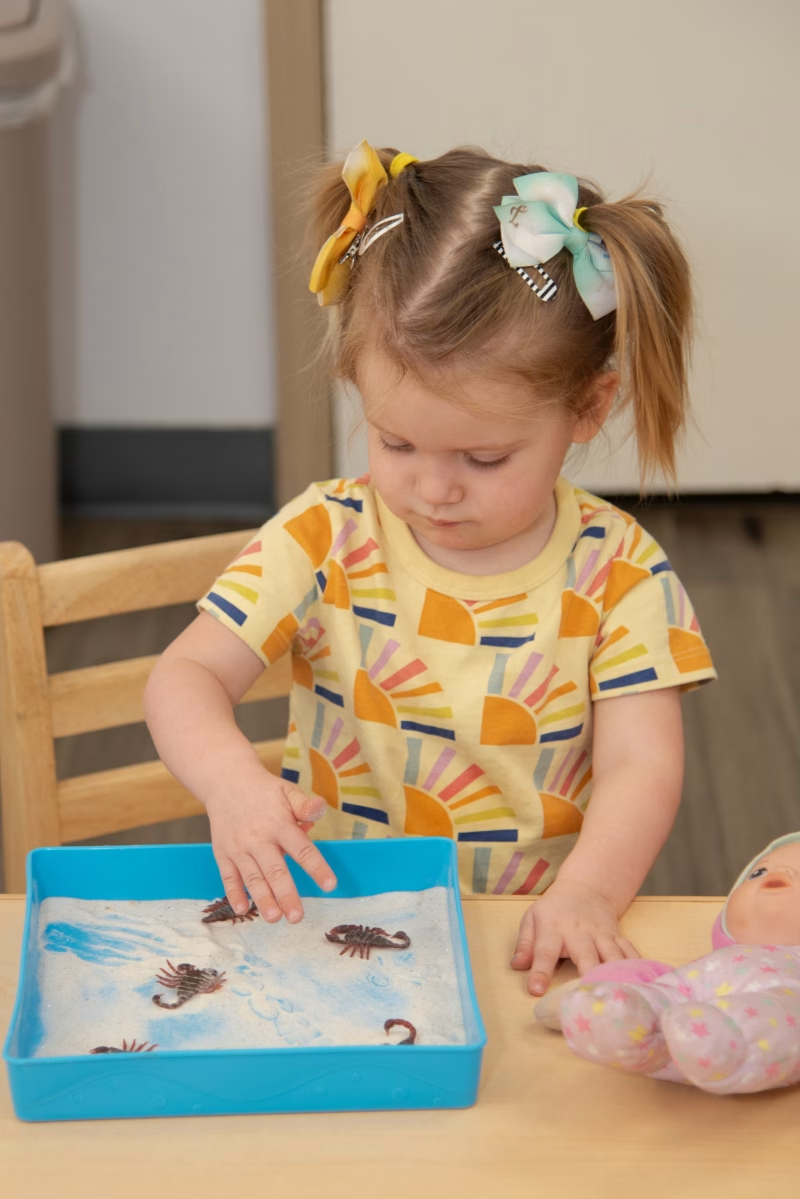
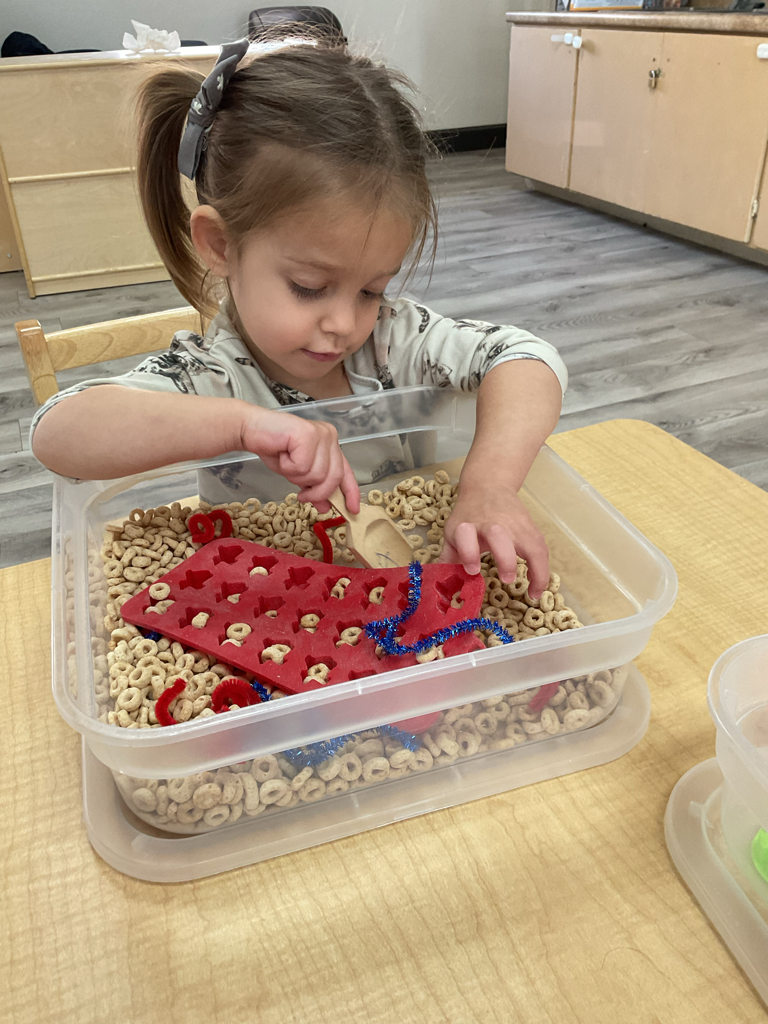
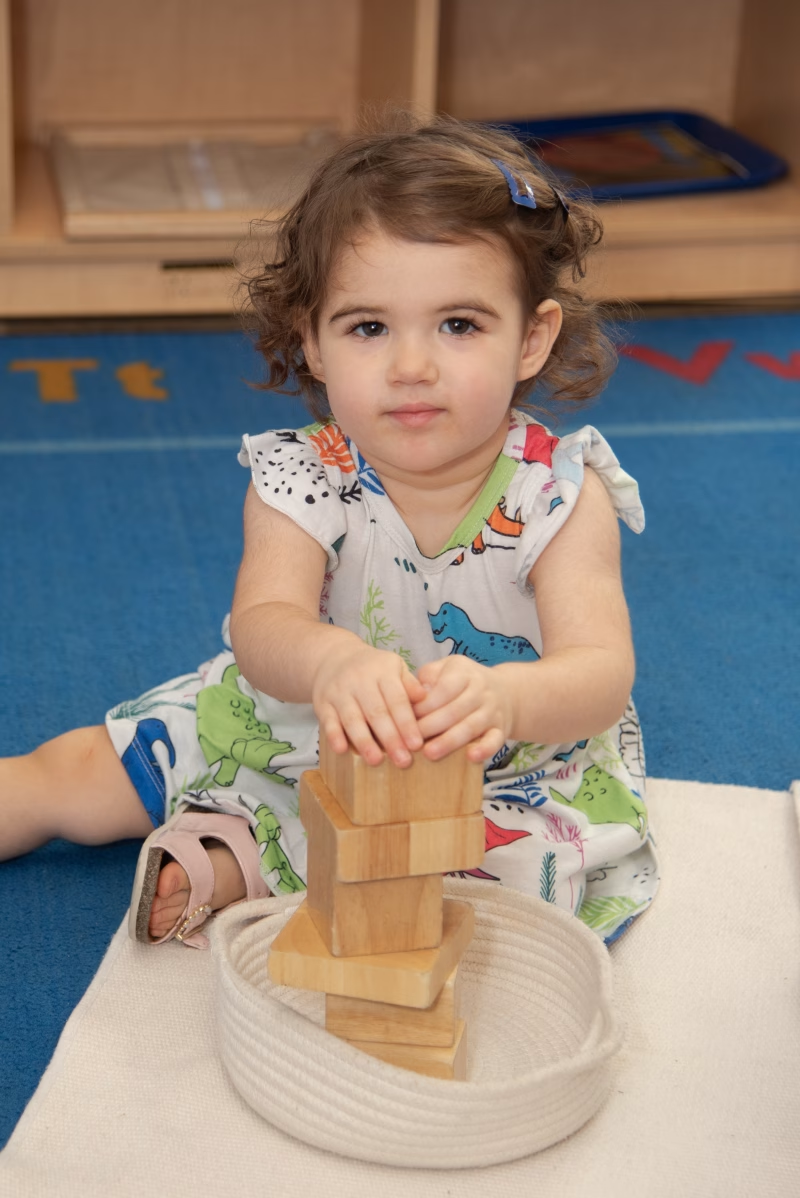
At Edquisitive Montessori, that means hands-on, inquiry-based learning. A three-year-old investigating how shadows change throughout the day. A four-year-old designing an experiment to figure out why some things float. Children learning math concepts by physically manipulating materials, not filling in worksheets.
We’re not pushing children before they’re ready. We’re meeting them exactly where their brains are—curious, flexible, and hungry to understand the world.
What Kindergarten Readiness Actually Looks Like
After seven years, we’ve identified six domains that matter for kindergarten readiness. This is what we work on with every child, and it’s what we encourage parents to think about as registration approaches:
1. Language & Literacy
- Engages in back-and-forth conversation
- Recognizes and names upper and lowercase letters
- Understands that print conveys meaning
- Knows how to handle books (right-side up, turning pages)
- Associates letters with their sounds and blends sounds together
- Can read and write simple sentences
2. Cognitive & Math Skills
- Sorts and classifies objects
- Measures using various tools
- Recognizes and names shapes
- Understands concepts like up/down, more/less, one-to-one correspondence
- Performs simple addition and subtraction
- Counts 1 to 20 without skipping numbers
3. Physical Health & Motor Skills
- Shows balance and coordination
- Manipulates smaller objects (pencils, scissors, buttons)
- Practices personal care routines independently
- Understands basic safety rules
- Can identify healthy vs. unhealthy food choices
4. Social-Emotional Development
- Develops and maintains friendships
- Takes turns, shares, and negotiates with peers
- Expresses emotions appropriately and shows respect for others
- Trusts and interacts comfortably with adults
- Shows confidence in their own abilities and feels a sense of accomplishment
5. Science, Creative Arts & Social Studies
- Shows curiosity, asks questions, and makes predictions
- Knows the difference between living and non-living things
- Collects and records simple data
- Explores musical instruments and engages in dramatic play
- Uses a variety of materials to create art
6. Approaches to Learning
- Shows genuine curiosity and desire to learn
- Demonstrates persistence when things are difficult
- Can concentrate and stay focused on tasks
- Shows flexibility and inventiveness in problem-solving
- Functions as an independent learner
Notice how academics are just one piece? That’s intentional. A child who checks every box in “Language & Literacy” but struggles in “Social-Emotional Development” isn’t fully ready. And a child who’s strong in “Approaches to Learning”—curious, persistent, able to concentrate—will likely catch up on any academic gaps quickly.
For more details on reading readiness specifically, check out our guide on preparing your child to read.
📥 Download the Kindergarten Readiness Guide
Want a printable version of these six domains to reference anytime? Download our free Kindergarten Readiness Guide:
Print it, share it with your partner, or bring it to your preschool tour.
How We Prepare Children at Edquisitive
Our Montessori-inspired, inquiry-based approach is designed to develop all six domains together. Here’s what that looks like in practice:
We follow the child’s curiosity. When a child asks why leaves change color, we don’t just answer—we investigate together. We collect leaves, sort them, observe them over time. That single question touches science, math (sorting and classifying), language (new vocabulary), and approaches to learning (sustained investigation).
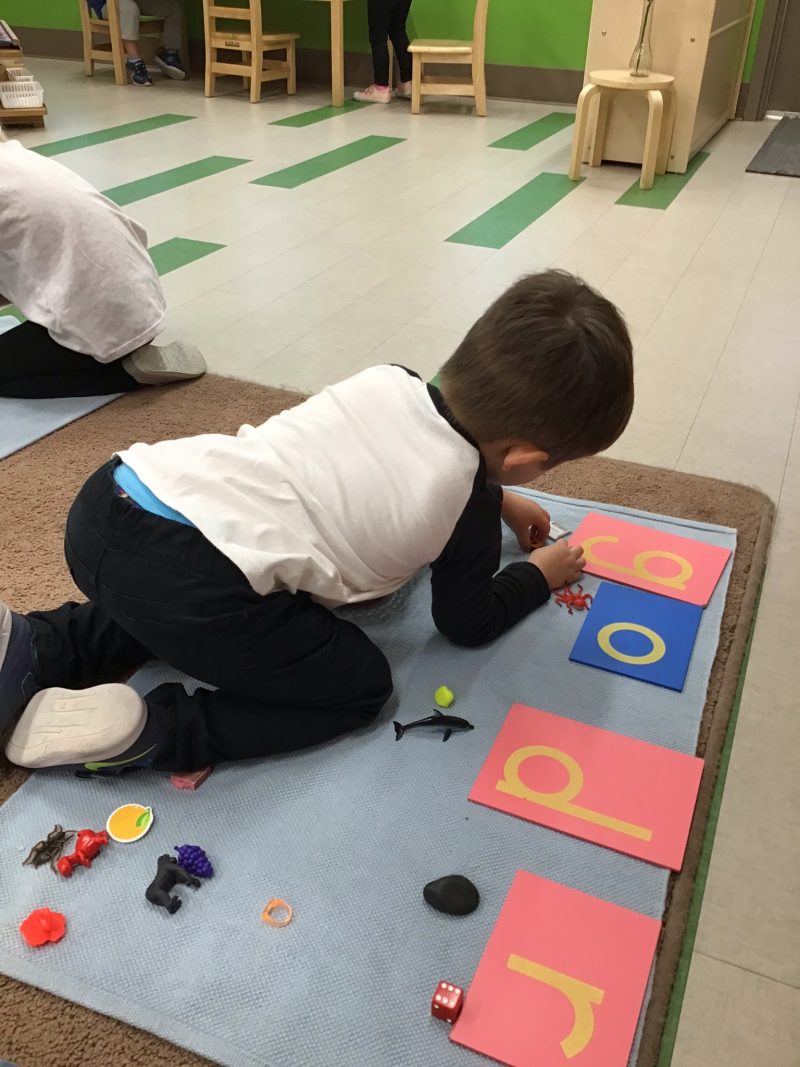
We use hands-on materials. Montessori materials let children physically experience abstract concepts. Math isn’t numbers on a page—it’s beads they can touch and count and group. Letters aren’t just shapes—they’re sandpaper letters children trace with their fingers, building muscle memory alongside recognition.
We build independence. Children in our classrooms learn to manage their own belongings, make choices about their work, and solve problems before asking an adult for help. These skills translate directly to kindergarten success.
We practice social skills constantly. Multi-age classrooms mean older children mentor younger ones. Children learn to wait, share materials, resolve conflicts with words, and collaborate on projects. By the time they reach kindergarten, these skills are second nature.
We give children time. Inquiry-based learning isn’t rushed. A child might spend 30 minutes on a single activity—far longer than typical preschool rotations. This builds concentration and persistence, two skills kindergarten teachers consistently say children lack.
Questions to Ask Yourself Before Kindergarten
As you think about your child’s readiness, we encourage you to move beyond “Do they know their letters?” and consider:
- Can my child express their needs and feelings with words? (Instead of melting down or hitting)
- Do they show enthusiasm when learning something new? (Curiosity is a readiness indicator)
- Can they follow two or three-step directions?
- How do they handle frustration? (Can they keep trying, or do they give up immediately?)
- Can they play cooperatively with other children?
- Do they show independence in daily tasks? (Bathroom, putting on shoes, managing belongings)
- Can they focus on an activity for 10-15 minutes?
If you answered “not yet” to some of these—that’s okay. That’s what these remaining months before kindergarten are for. And it’s exactly what quality early childhood education is designed to build.
Know Your Options: School Choice in San Antonio and Boerne
As you think about kindergarten readiness, you’re also probably weighing your school options. The good news? Families in San Antonio and Boerne have choices:
- Public Schools (Boerne ISD enrollment opens March 2025)
- Charter Schools (applications typically October–January, decisions by late January)
- Private Schools (applications October–March)
- Montessori Schools
- Religious Schools
- Homeschooling
Each option has different strengths, and the right choice depends on your child’s learning style, your family’s values, and practical considerations like location and schedule.
We’ve put together a comprehensive School Choice Guide for Boerne and Fair Oaks Ranch families that breaks down all the options, important dates, and questions to ask as you make this decision.
The Bottom Line
Kindergarten readiness isn’t a single test your child passes or fails. It’s a combination of academic foundations, social-emotional skills, physical development, and approaches to learning that work together.
At Edquisitive Montessori, we’ve spent seven years helping children build all of these skills—not through pressure and drilling, but through the kind of engaged, hands-on learning that young brains are wired for.
Frequently Asked Questions About Kindergarten Readiness
What age should a child be ready for kindergarten?
In Texas, children must be 5 years old by September 1st to enroll in kindergarten. However, age alone doesn’t determine readiness—social-emotional skills, cognitive development, and approaches to learning all play important roles in whether a child will thrive.
What skills does my child need for kindergarten?
Kindergarten readiness includes six domains: Language & Literacy, Cognitive & Math Skills, Physical & Motor Skills, Social-Emotional Development, Science & Creative Arts, and Approaches to Learning. Research shows social-emotional skills are often more important than academic skills for kindergarten success.
How do I know if my child is ready for kindergarten?
Ask yourself: Can they express needs with words? Follow 2-3 step directions? Handle frustration? Play cooperatively? Focus for 10-15 minutes? These skills often predict kindergarten success better than knowing letters and numbers alone.
What do kindergarten teachers look for in readiness?
Research shows kindergarten teachers prioritize children who can communicate needs verbally, show enthusiasm and curiosity, pay attention and follow directions, aren’t disruptive in groups, show sensitivity to others’ feelings, and can manage frustration and keep trying.
When does kindergarten registration open in Boerne?
Boerne ISD kindergarten enrollment opens in March 2025. Charter school applications are typically October through January with decisions in late January. Private school applications vary from October through March. Visit our School Choice Guide for complete details.
Ready to See Kindergarten Readiness in Action?
If you’re wondering whether your child is ready, we’d love to talk with you. Schedule a tour and see kindergarten readiness in action. Watch how our children engage, explore, and develop the full range of skills they’ll need—not just for kindergarten, but for the next 95 years.
Related Articles:
-
-
-
- Montessori vs. Traditional Preschool: Which Builds Better Thinkers?
-
-
-
-
-
- Talking to Kids About AI and Technology: An Age-by-Age Guide
-
-
-
-
-
- San Antonio Preschool Guide: Choosing the Right Program for Your Child
-
-