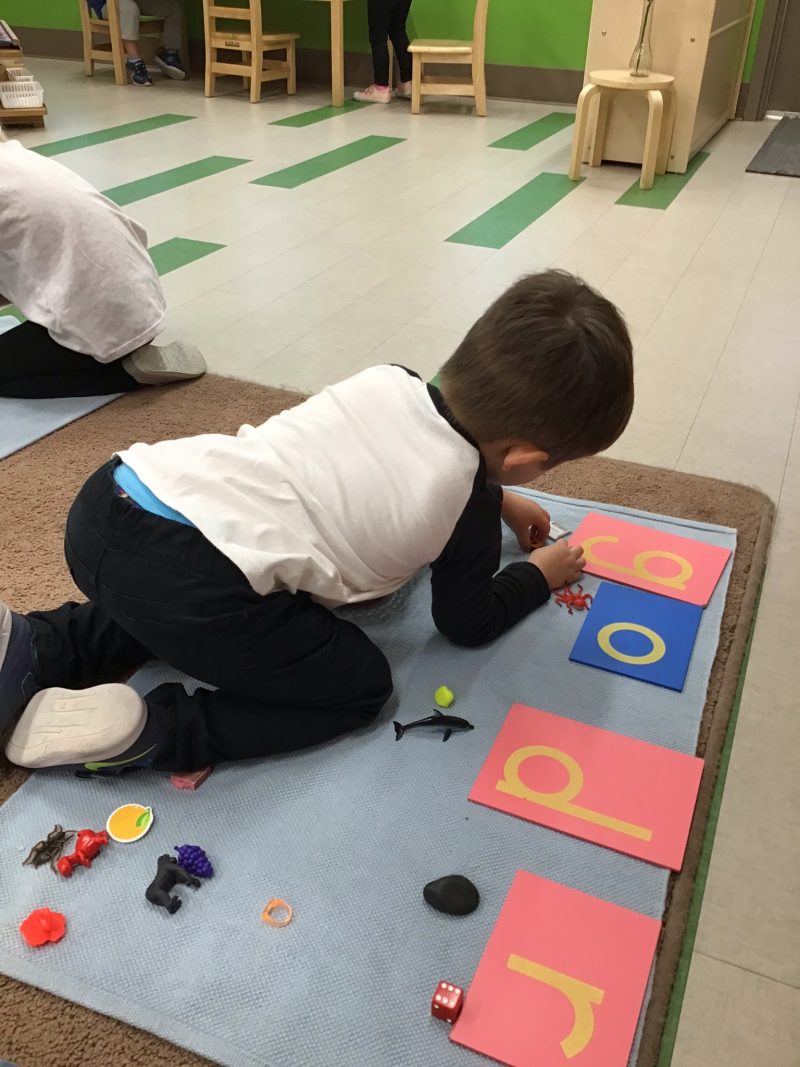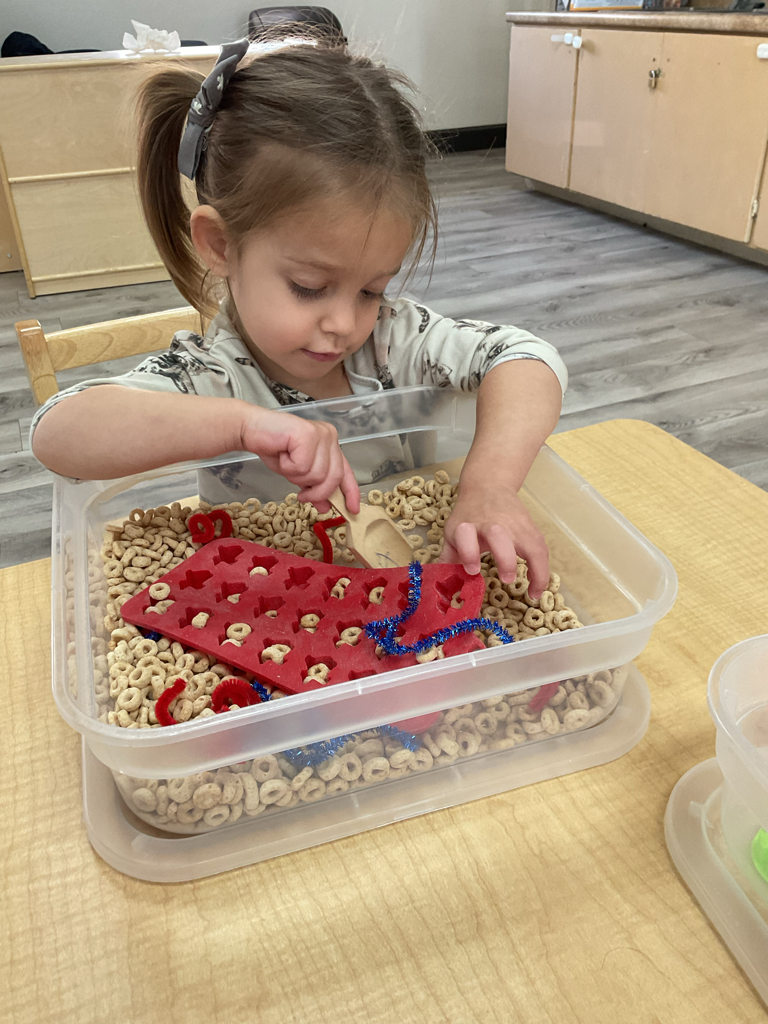
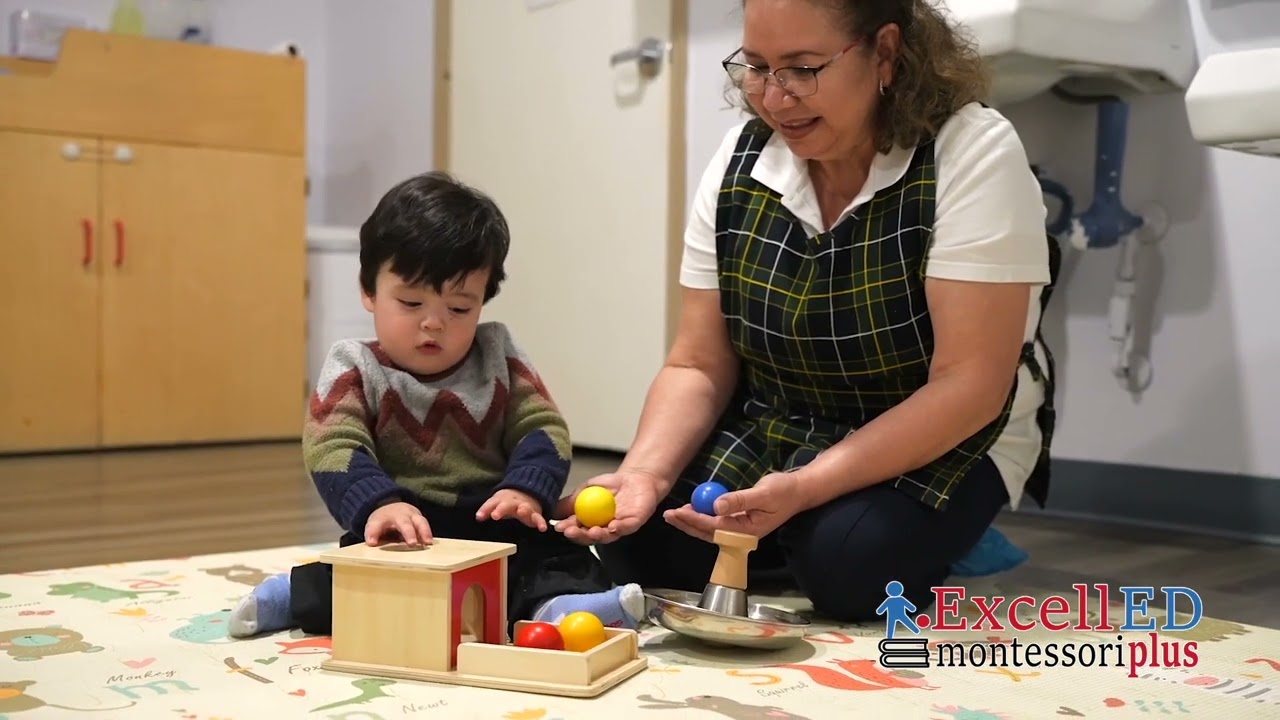
a teacher working with an infant in a montesori classroom

How to Choose a Daycare: 15 Things That Actually Matter (2026)

Key Takeaways

  • Teacher turnover is the #1 predictor of quality — ask for specific numbers, not vague answers
  • Check licensing history before your tour at the Texas HHS website
  • Ratios matter — quality programs exceed state minimums significantly
  • Get the discipline policy in writing — it reveals the program’s philosophy
  • Trust your gut — if something feels off, keep looking

You’ve toured three daycares. They all looked fine. Now you’re home, staring at brochures, and you still don’t know which one to pick.

That’s because most daycare tours are designed to sell you, not inform you. The walls are colorful, the director is friendly, and you leave without the information you actually need.

This guide cuts through the noise. After 8+ years running Montessori programs in San Antonio and talking with hundreds of parents, we know exactly what separates a great daycare from one that just looks good on a Tuesday morning tour.

And yes, we’ll tell you what to look for even if you don’t choose us.


Quick Reference: What to Prioritize

PriorityWhat to AskWhy It Matters
#1 Teacher Turnover“What’s your annual turnover rate?”High turnover disrupts attachment and development
#2 Actual Ratios“What are your day-to-day ratios, not licensed capacity?”Determines individual attention your child receives
#3 Licensing HistoryCheck Texas HHS public records before your tourReveals patterns of safety issues
#4 Discipline Policy“Can I read your written discipline policy?”Shows philosophy and age-appropriateness
#5 Daily Schedule“Can I see the schedule for my child’s age group?”Reveals screen time, outdoor time, transitions

The 15 Things That Actually Matter

1. Teacher-to-Child Ratios (Not Just What’s Legal)

Texas requires minimum ratios, but minimums aren’t the goal. Here’s what Texas law requires versus what quality programs offer:

Age GroupTexas MinimumQuality Programs
Infants (0-17 months)1:41:3 or 1:4
Toddlers (18-35 months)1:111:6 to 1:8
Preschool (3-4 years)1:151:8 to 1:10
Pre-K (4-5 years)1:181:10 to 1:12

What to ask: “What are your actual ratios in each classroom—not your licensed capacity, but how you staff day-to-day?”

A program licensed for 1:11 toddler ratio might actually run at 1:8 most days. That’s a significant difference in the attention your child receives.

2. Teacher Turnover (The Question Nobody Asks)

This is the single most important factor most parents skip. High turnover disrupts attachment, which affects everything from behavior to language development.

What to ask: “How long have your lead teachers been here? What’s your annual turnover rate?”

🚩 Red flags:

  • Lead teachers with less than 1 year at the center
  • Vague answers like “we have a great team”
  • Annual turnover above 30%

✓ Green flags:

  • Lead teachers with 3+ years at the same center
  • Specific numbers: “Our average tenure is 4.2 years”
  • Teachers who started as assistants and grew into lead roles

The childcare industry averages 26-40% annual turnover. Centers with significantly lower turnover are doing something right—usually paying better wages and treating teachers well.

3. Licensing History (It’s Public Record)

Every licensed childcare facility in Texas has a public inspection history. Check it before your tour.

How to check: Visit the Texas HHS childcare search and look up the facility by name or address. You’ll see every inspection, violation, and complaint on record.

What matters:

  • Pattern of the same violation repeated = systemic problem
  • High-risk violations (supervision, safety) = major concern
  • One-off minor violations with quick correction = normal

Don’t panic over a single minor violation—every program has them. Look for patterns.

4. What Happens During Drop-Off Meltdowns

Every child has hard drop-offs sometimes. How the program handles them tells you everything about their philosophy.

What to ask: “Walk me through what happens when a child is really struggling at drop-off. What does the teacher do? How long before you’d call me?”

🚩 Red flags:

  • “We just distract them with a toy”
  • “Parents need to leave quickly so kids don’t get upset”
  • No mention of comfort objects or transition rituals

✓ Green flags:

  • Specific transition protocols (comfort items, goodbye windows, teacher handoff)
  • Teachers who greet children by name at the door
  • Acknowledgment that hard days are normal and require patience

5. The Discipline Policy (In Writing)

Every program should have a written discipline policy. Ask to read it before you enroll.

What to look for:

  • Focus on teaching expected behavior, not punishment
  • Age-appropriate expectations (toddlers bite—it’s developmental, not behavioral)
  • Clear escalation process for persistent issues
  • How parents are involved and informed

🚩 Red flags:

  • Time-outs for children under 3
  • Any mention of withholding food or naps
  • Shaming language (“bad choices,” public behavior charts)
  • Expulsion for normal developmental behavior

6. How Sick Days Actually Work

This is where policy meets reality. Every program has a sick policy. Few follow it consistently.

What to ask:

  • “What symptoms mean my child can’t attend?”
  • “How quickly do you call parents for pickup?”
  • “What’s your policy on returning after illness?”
  • “How do you handle medication administration?”

The real question: Do they actually enforce the policy, or do sick kids sit in the classroom for hours waiting for pickup? Ask current parents if you can.

7. Food and Allergy Management

If the program provides meals, you need specifics—especially if your child has allergies.

What to ask:

  • “Who prepares the food? Is there an on-site kitchen?”
  • “Can I see a sample menu?”
  • “How do you handle food allergies in the classroom?”
  • “Are common allergens (peanuts, tree nuts) allowed in the building?”

For allergies, you want written protocols, staff training documentation, and clear communication systems. Verbal assurances aren’t enough.

8. Daily Communication (Beyond an App)

Most programs use an app to send photos and daily reports. That’s baseline. The question is what happens beyond automated updates.

What to ask:

  • “How will I know if my child had a hard day?”
  • “Can I talk to the classroom teacher directly, or only through the front office?”
  • “How often do you do parent-teacher conferences?”
  • “What’s your response time for parent questions or concerns?”

Green flag: Teachers who can tell you specific things about your child during pickup (“She really loved the water table today” vs. “She had a good day”).

9. The Actual Daily Schedule

Ask to see a written daily schedule for your child’s age group. This tells you more than any tour.

What to look for:

  • Balance of structured activities and free play
  • Outdoor time every day (weather permitting)
  • Rest time appropriate to age
  • Transitions that aren’t rushed

🚩 Red flags:

  • Heavy screen time
  • No outdoor time scheduled
  • Toddlers expected to sit for 30+ minute circle times
  • Schedule that looks identical for infants and preschoolers

10. What “Curriculum” Actually Means There

Every program claims to have a curriculum. The word means different things to different people.

What to ask:

  • “Can you show me what curriculum looks like in the toddler room versus the preschool room?”
  • “How do teachers plan activities?”
  • “How do you assess whether children are making progress?”

🚩 Red flags:

  • Worksheets for children under 5
  • Identical activities for all children regardless of development
  • “We follow the children’s interests” with no documentation of how

✓ Green flags:

  • Age-appropriate, hands-on learning
  • Clear learning objectives that aren’t focused on rote academics
  • Documentation of children’s work and progress
  • Activities that build independence, not compliance

11. Outdoor Space and How Often It’s Used

Children need outdoor time. Period. This isn’t negotiable for healthy development.

What to look for:

  • Dedicated outdoor space (not a shared apartment complex playground)
  • Age-appropriate equipment
  • Shade and weather protection
  • Natural elements (grass, trees, gardens) not just rubber and plastic

What to ask: “How often do children go outside? What weather keeps them inside?”

Some programs skip outdoor time when it’s “too hot” or “too cold”—which in Texas can mean months without fresh air. That’s a problem.

12. Security and Access

This isn’t about paranoia. It’s about basic safety systems.

What to look for:

  • Controlled entry (key fob, code, buzzer system)
  • Sign-in/sign-out procedures
  • Clear policy on who can pick up your child
  • Visitor management

What to ask: “What happens if someone not on my pickup list tries to take my child?”

13. How They Handle Developmental Concerns

Quality programs notice when children might need extra support—and they communicate with parents constructively.

What to ask:

  • “If a teacher noticed my child might benefit from speech therapy or occupational therapy, how would that conversation happen?”
  • “Do you work with early intervention services?”
  • “Have you had children with IEPs or special needs in the classroom?”

Red flag: “We’ve never had any children like that.” (Every program has—they just weren’t paying attention or weren’t willing to talk about it.)

14. Accreditation and Quality Ratings

These aren’t everything, but they indicate a program that pursues quality beyond minimum licensing.

What to look for in Texas:

  • Texas Rising Star: State quality rating system (2-star, 3-star, 4-star). Four-star is highest.
  • NAEYC Accreditation: National early childhood accreditation with rigorous standards.
  • Cognia Accreditation: K-12 focused but some preschools pursue it for continuity.

Lack of accreditation doesn’t mean a program is bad—the process is expensive and time-consuming. But having it signals commitment to external accountability.

15. Your Gut Feeling (It Counts)

After all the questions, trust your instincts. You’re looking for a place where:

  • Teachers seem genuinely happy to be there
  • Children are engaged, not just managed
  • The director answers questions directly instead of deflecting
  • The environment feels calm, not chaotic
  • You can picture your child thriving there

If something feels off, it probably is. Keep looking.


Red Flags That Should End Your Tour Early

Some things are immediate disqualifiers:

  • Supervision gaps: Children unsupervised, even briefly
  • Cleanliness issues: Dirty diaper smell, visibly soiled surfaces
  • Teacher behavior: Yelling, shaming, or ignoring children
  • Children’s demeanor: Kids who seem scared, listless, or uniformly silent
  • Evasive answers: Director who can’t or won’t answer direct questions
  • Pressure tactics: “We only have one spot left” or “Price goes up Monday”
  • No license posted: Texas requires licenses to be displayed publicly

Questions to Ask Current Parents

If the program offers references or you can connect with current families, ask:

  • “What surprised you after your child started?”
  • “How does the program handle problems or complaints?”
  • “Has your child’s teacher changed? How was that handled?”
  • “What do you wish you’d known before enrolling?”
  • “Would you choose this program again?”

The Timeline: When to Start Looking

Quality programs often have waitlists, especially for infants. Here’s a realistic timeline:

Child’s Age at StartWhen to Begin Searching
Infant (under 12 months)During pregnancy or 6+ months ahead
Toddler (12-24 months)3-6 months ahead
Preschool (3-4 years)2-4 months ahead

Infant spots are hardest to find because ratios are lowest (fewer babies per teacher = fewer total spots).


Download: Daycare Comparison Checklist

We created a printable checklist you can bring on tours. It covers everything in this guide so you can compare programs side-by-side after your visits.


What to Do After Tours

  1. Take notes immediately. Your memory of Tour #1 will be fuzzy by Tour #4.
  2. Compare your checklists. Which program checked the most boxes that matter to you?
  3. Do a second visit. If you have a top choice, visit again at a different time of day. Morning tours and afternoon reality can be very different.
  4. Talk to your partner. If you’re co-parenting, compare notes. Sometimes different priorities surface.
  5. Trust your decision. No program is perfect. Choose the one that feels right and adjust if needed.

Related Resources


Ready to Tour Edquisitive Montessori?

We wrote this guide to help all San Antonio parents—whether you visit us or not. But if what you’ve read sounds like what you’re looking for, we’d love to show you our classrooms.

✓ Cognia Accredited

Recognized by the Texas Private School Accreditation Commission for meeting rigorous quality standards.

✓ Texas Rising Star 4-Star

The highest quality rating from the Texas Workforce Commission.

✓ Low Turnover

Teachers with 3-7+ years at our campuses. We’ll give you actual numbers.

✓ Better Ratios

We exceed state minimums across all age groups.

✓ Spanish Immersion

Available at Stone Oak at no extra cost.

✓ Transparent Answers

We’ll answer every question on this list directly.

Cognia Accredited · Texas Rising Star 4-Star · Authentic Montessori · Bilingual Spanish Immersion


Helpful Links

Kindergarten Readiness: What San Antonio Parents Need to Know

Kindergarten registration is right around the corner—Boerne ISD, NISD, NEISD, and other San Antonio Area school districts opens enrollment in March 2026, and if you’re […]

Is Elf on the Shelf Real? What Siri Told My 4-Year-Old (And What San Antonio Parents Should Know)

Quick Answer: Is Elf on the Shelf Real? No, the Elf on the Shelf is not real. It’s a holiday tradition where parents move a […]

Why the “Terrible Twos” Are Really Tiny Scientists at Work

The Deep Work of Toddlerhood—And the Special Teachers It Demands If you’re a parent of a toddler, you know the feeling: they are non-stop. Their […]

Find a Campus Near You

One approach, multiple neighborhoods—each with its own sense of community.

Montessori Preschool & Daycare in Fair Oaks Ranch (Boerne Area)

Fair Oaks / Boerne Campus
27521 Interstate 10 W
Boerne TX 78006
fairoaks@edquisitive.com (210) 418-3288 View Location

Premier Montessori Daycare & Preschool Northwest Military

NW Military Campus
2829 Hunters Green
Dr
 San Antonio, TX 78231
northwest@edquisitive.com (210) 446-1312 View Location

Little Red Caboose: Most Trusted Daycare & Preschool

6304 Babock Rd
San Antonio, Texas 78240
lrc@edquisitive.com (210) 691-1050 View Location

Daycare in Stone Oak, San Antonio | Spanish Grove Academy

Spanish Grove Academy
22215 Wilderness Oak
San Antonio, TX - 78258
stoneoak@edquisitive.com 210-390-1470 View Location

Virtual Preschool

Edquisitive Montessori Online
27521 IH 10 W
Boerne TX 78006
virtual@excelledschools.com 2104183288 View Location