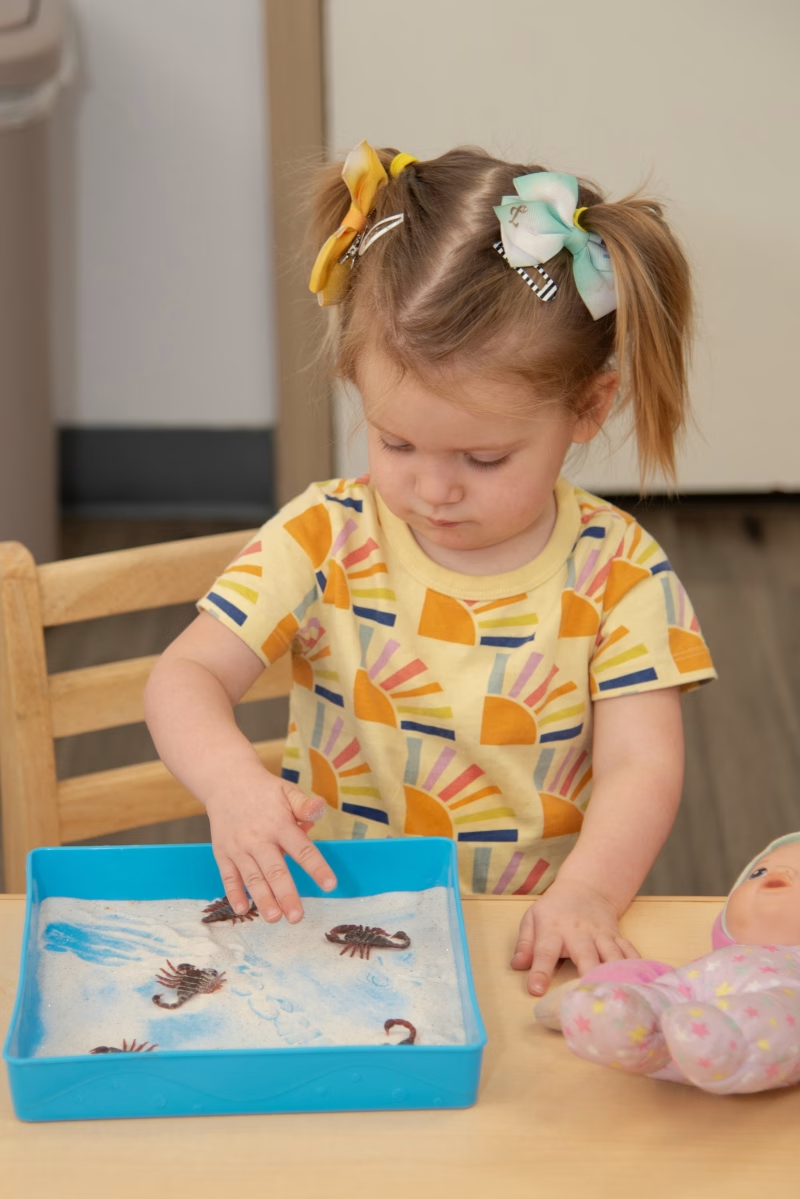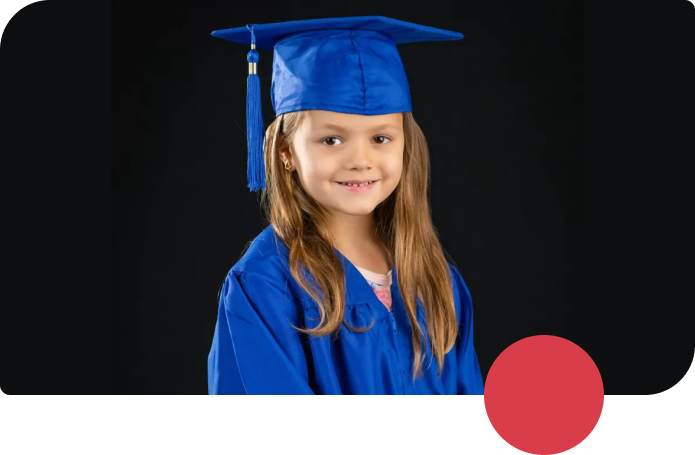
Where children don’t just learn—they discover, wonder, question, and create.
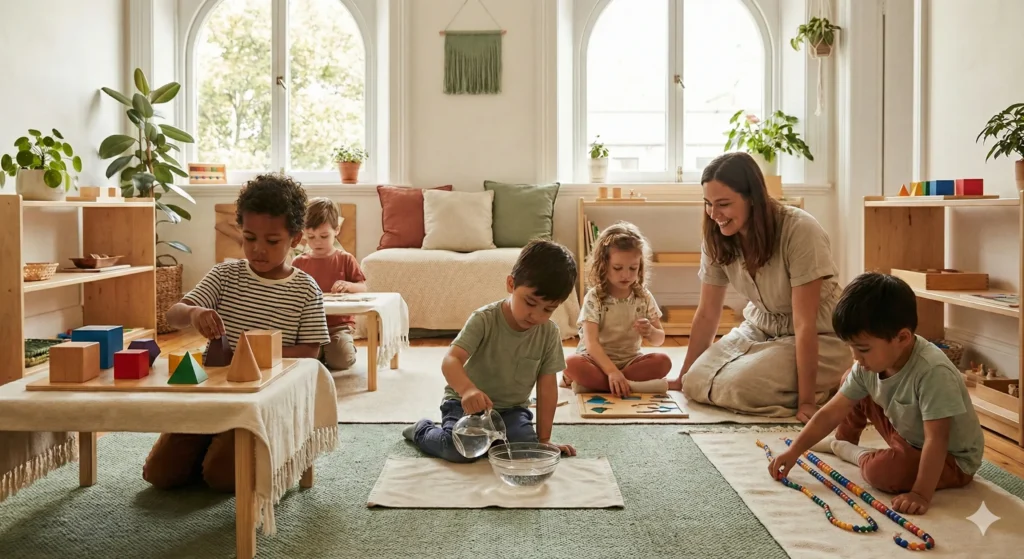
Our Montessori classroom environments are designed to honor the natural genius inside every child—creating spaces where child-led learning and hands-on discovery happen naturally.
“The greatest sign of success for a teacher is to be able to say, ‘The children are now working as if I did not exist.'”
— Maria Montessori
Language shapes how we think. When we call our learning environments Curiosity Studios, we’re making a deliberate statement about what happens inside our prepared Montessori environments.
In a traditional classroom, the teacher stands at the front. Children sit. Information flows one direction. The question children learn to ask is: “Is this right?”
In a Curiosity Studio, children move freely through a carefully prepared environment. They choose their work. Teachers observe and guide. Self-directed learning happens naturally. The question children learn to ask is: “What happens if…?”
That shift changes everything about how children develop as independent learners.
Parents often ask about the difference between Montessori and traditional preschool. Here’s what sets our Curiosity Studios apart:
Not sure what to look for when evaluating programs? Our guide to choosing a daycare covers the 15 things that actually matter—and our free tour checklist helps you compare programs side-by-side.
Each Curiosity Studio is intentionally designed as a prepared environment for its developmental stage—because a curious 6-month-old and a curious 4-year-old need very different spaces to thrive.
🌱
10 weeks – 18 months
A nurturing space where the youngest explorers discover the world through sensory exploration. Soft textures, gentle sounds, mirrors for self-discovery, and freedom to move at their own pace.
What you’ll observe: Babies reaching, grasping, rolling—following their innate drive to understand how things work.
🔬
18 months – 3 years
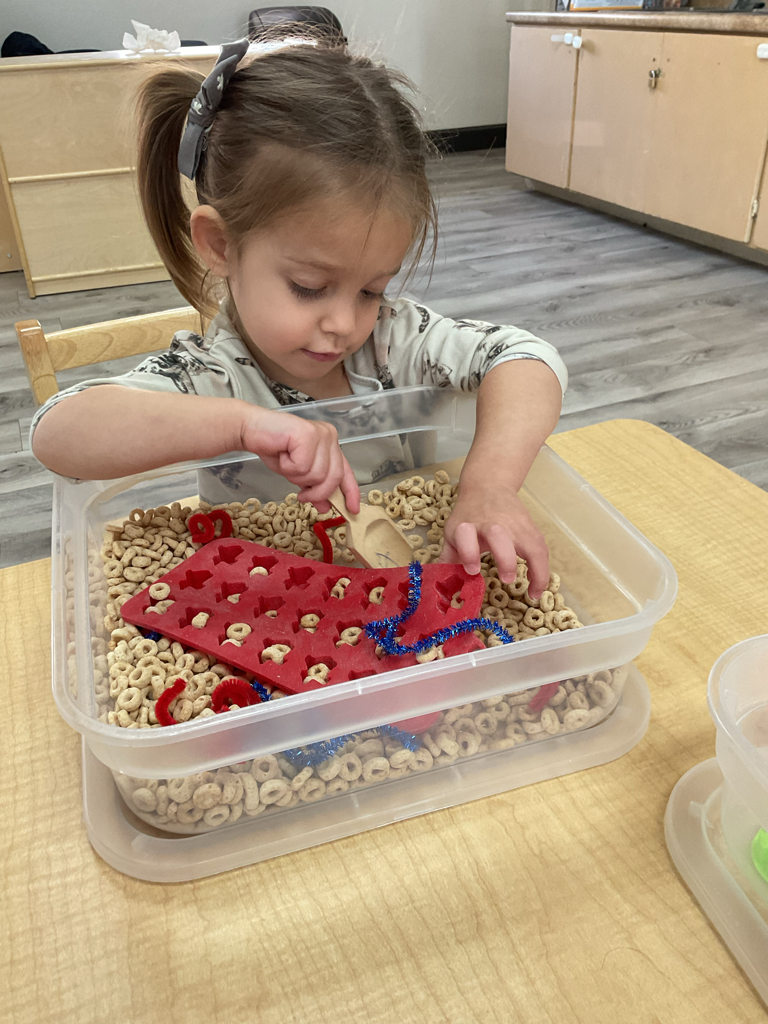
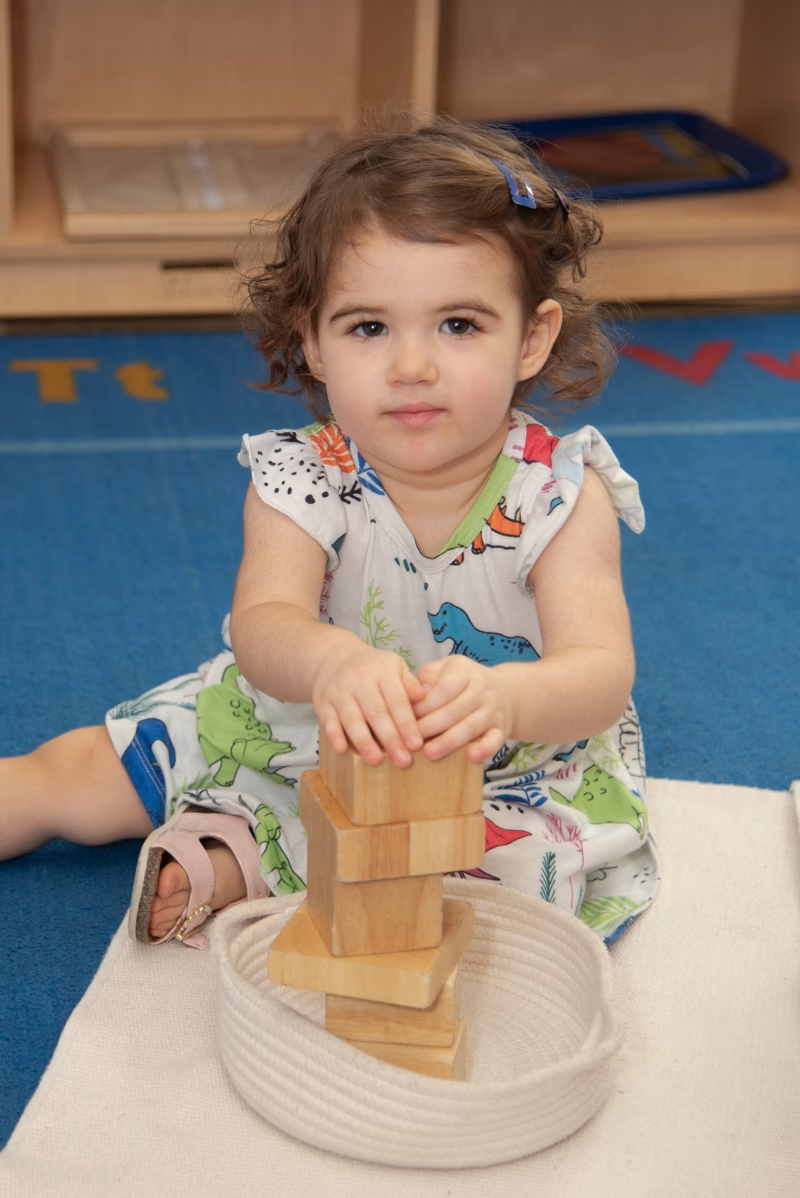
Where “I do it myself” becomes the daily anthem. Practical life activities, language-rich environments, and the freedom to repeat activities until mastery feels effortless.
What you’ll observe: Toddlers pouring, sorting, dressing themselves—building independence one small victory at a time.
🎨
3 – 6 years
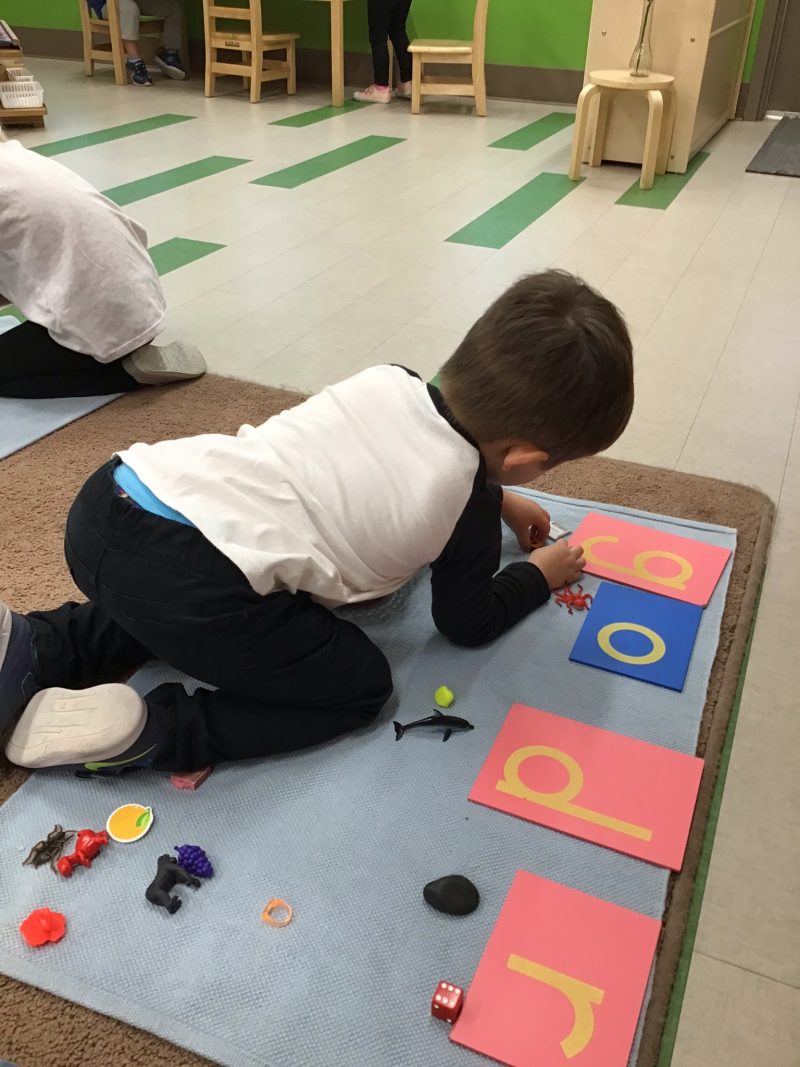
The full Montessori experience. Mixed-age classrooms where children learn from each other. Math with golden beads. Language with sandpaper letters. Science through real experiments.
What you’ll observe: Children deeply concentrated, helping peers, and asking “why?” with genuine wonder.
What Maria Montessori observed 100 years ago, brain development research now confirms. Here’s the science behind why our approach works:
Over one million neural connections form every second during these years. The experiences children have—and the environments they’re in—literally shape their brain architecture. This is why we focus so intensely on whole child development during these critical years.
When a child chooses to explore something that interests them, their brain releases dopamine—the neurotransmitter that says “this matters, remember this.” Forced learning doesn’t trigger the same response. This is why inquiry-based learning creates longer-lasting understanding than passive instruction.
Physical manipulation of real materials engages motor, sensory, and cognitive areas simultaneously. Worksheets can’t replicate what happens when a child builds the decimal system with golden beads or traces sandpaper letters. This is why hands-on learning is central to everything we do.
Want to dive deeper into the research? Read our article on the benefits of Montessori education or explore how preschoolers learn like AI—building neural networks through curiosity and exploration.
“The first week, my daughter came home and said, ‘Mama, I discovered something today.’ Not ‘I learned something.’ Discovered. That word told me everything I needed to know about what’s happening in that studio.”
— Parent, Stone Oak Campus
“My son used to hate ‘school.’ Now he asks to go on weekends. Something about giving him choices and letting him work at his own pace completely changed his relationship with learning.”
— Parent, Fair Oaks Campus
Most programs charge extra for enrichments. We include them because they’re essential to whole child development—not add-ons. See our tuition page for complete pricing.
🌎
Spanish Immersion
Native speakers daily
🧘
Yoga & Mindfulness
Emotional regulation
🔬
Science Fridays
STEM exploration
🎵
Music
Weekly instruction
🏃
Motor Skills Lab
Movement development
🍎
Chef-Prepared Meals
Fresh, on-site kitchen
📱
Daily Updates
Photos & reports
✨
All Enrichments
No extra fees
A Curiosity Studio is what we call our Montessori classroom environments at Edquisitive Montessori. Unlike traditional classrooms where teachers direct all activities and children sit at assigned seats, our Curiosity Studios are prepared environments where children choose their work, teachers guide and observe, and self-directed learning happens when each child is ready. The name reflects our philosophy: these are spaces where children create, investigate, and discover—like artists in a studio.
Language shapes how we think about child-led learning. Traditional classrooms imply the teacher is the center and children are passive receivers. “Curiosity Studios” reflects what actually happens in Montessori environments: children are active creators of their own knowledge, questions are welcomed, collaboration happens naturally, and the process of discovery matters more than getting the right answer. It’s not just a rebrand—it’s an accurate description of our inquiry-based learning philosophy.
We have three types of Curiosity Studios designed for different developmental stages: Infant Studios (10 weeks to 18 months) focus on sensory exploration and movement, Toddler Studios (18 months to 3 years) emphasize independence and practical life skills, and Primary Studios (3 to 6 years) offer the full Montessori experience with mixed-age classrooms, hands-on learning with math and language materials, and inquiry-based projects.
In traditional classrooms, teachers direct all activities, children sit at assigned seats, everyone does the same thing at the same time, and success means right answers. In our Curiosity Studios, teachers guide and observe, children choose where to work and what to explore, each child follows their own interests and pace, self-correcting materials teach naturally, and success means engaged exploration and discovery. Learn more in our Montessori vs traditional preschool comparison.
Neuroscience confirms what Montessori educators have known for over a century. First, 90% of brain development happens before age 5—over one million neural connections form every second during these years. Second, curiosity triggers dopamine release, which signals the brain that information matters and should be remembered. Third, hands-on learning activates more brain regions simultaneously than passive instruction. Our Curiosity Studios are designed around these scientific principles.
All enrichments are included in tuition with no extra fees: Spanish immersion with native speakers daily, yoga and mindfulness for emotional regulation, Science Fridays for STEM exploration, weekly music instruction, our Movement and Motor Skills Lab, chef-prepared meals from our on-site kitchen, and daily photo and progress updates for parents. See complete tuition details.
We have four Curiosity Studio campuses across San Antonio and Boerne: Fair Oaks/Boerne at 27521 Interstate 10 W, Stone Oak/Spanish Grove Academy at 22215 Wilderness Oak, Northwest Military at 2829 Hunters Green Dr, and Medical Center/Little Red Caboose at 6304 Babcock Rd. All campuses are Cognia accredited and Texas Rising Star 4-Star rated.
You can schedule a tour at any of our four San Antonio and Boerne campuses. During your visit, you’ll see children engaged in self-directed learning, observe teachers facilitating rather than lecturing, and experience the calm, purposeful energy that emerges when children have agency over their learning. Bring our free tour checklist to help you compare programs, and review what to ask on a preschool tour.
🏅 Cognia Accredited
⭐ Texas Rising Star 4-Star
📚 Authentic Montessori
🌎 Bilingual Immersion
Watch children who love learning—because they’ve never been taught to do otherwise.
📍
Fair Oaks / Boerne
(210) 418-3288
📍
Stone Oak
(210) 390-1470
📍
NW Military
(210) 446-1312
📍
Medical Center
(210) 691-1050
Choosing the Right Program:
Understanding Our Approach:
Practical Information:
About Edquisitive:
Programs · Tuition · Parent Reviews · Our Curriculum · Contact
Edquisitive Montessori — Curious Minds. Intelligent Futures.
Kindergarten registration is right around the corner—Boerne ISD, NISD, NEISD, and other San Antonio Area school districts opens enrollment in March 2026, and if you’re […]
Quick Answer: Is Elf on the Shelf Real? No, the Elf on the Shelf is not real. It’s a holiday tradition where parents move a […]
The Deep Work of Toddlerhood—And the Special Teachers It Demands If you’re a parent of a toddler, you know the feeling: they are non-stop. Their […]
One approach, multiple neighborhoods—each with its own sense of community.