
Edquisitive Montessori Plus | Preschool Daycare San Antonio is a multi-campus early childhood organization serving families across San Antonio and Boerne. This profile explains our Montessori Plus approach, details programs from infants through after-school care, reviews accreditations and quality markers, and outlines why families choose us in 2025. Parents and educators will find clear descriptions of how Montessori, Reggio Emilia, and inquiry-based learning show up in the classroom, which enrichment activities support development, and how accreditations translate into everyday quality. We also map campus offerings and accessibility options so families can compare programs quickly. By the end, you’ll have practical insight into curriculum, campus differences, and enrollment considerations like after-school pickup and subsidy acceptance.
Our signature pedagogy, Montessori Plus, intentionally combines Montessori principles with Reggio Emilia-inspired practice and inquiry-based learning to foster independence, close observation, and project work. Montessori Plus blends Montessori, Reggio Emilia, and inquiry-based approaches to shape prepared environments and teacher roles that scaffold exploration instead of prescribing activity. That combination supports measurable gains in autonomy, problem-solving, and social-emotional growth by centering child-led cycles, hands-on materials, and emergent projects. Understanding how these elements work together helps explain how daily routines and enrichment offerings support children’s development.
Edquisitive Montessori’s primary distinguishing features include:
These features translate into classroom practice by creating predictable, prepared environments where children progress at individualized paces and receive targeted supports for motor, cognitive, and emotional skills. The following subsection explains how the inquiry-based curriculum specifically drives those outcomes and sets the stage for infant/toddler program design.
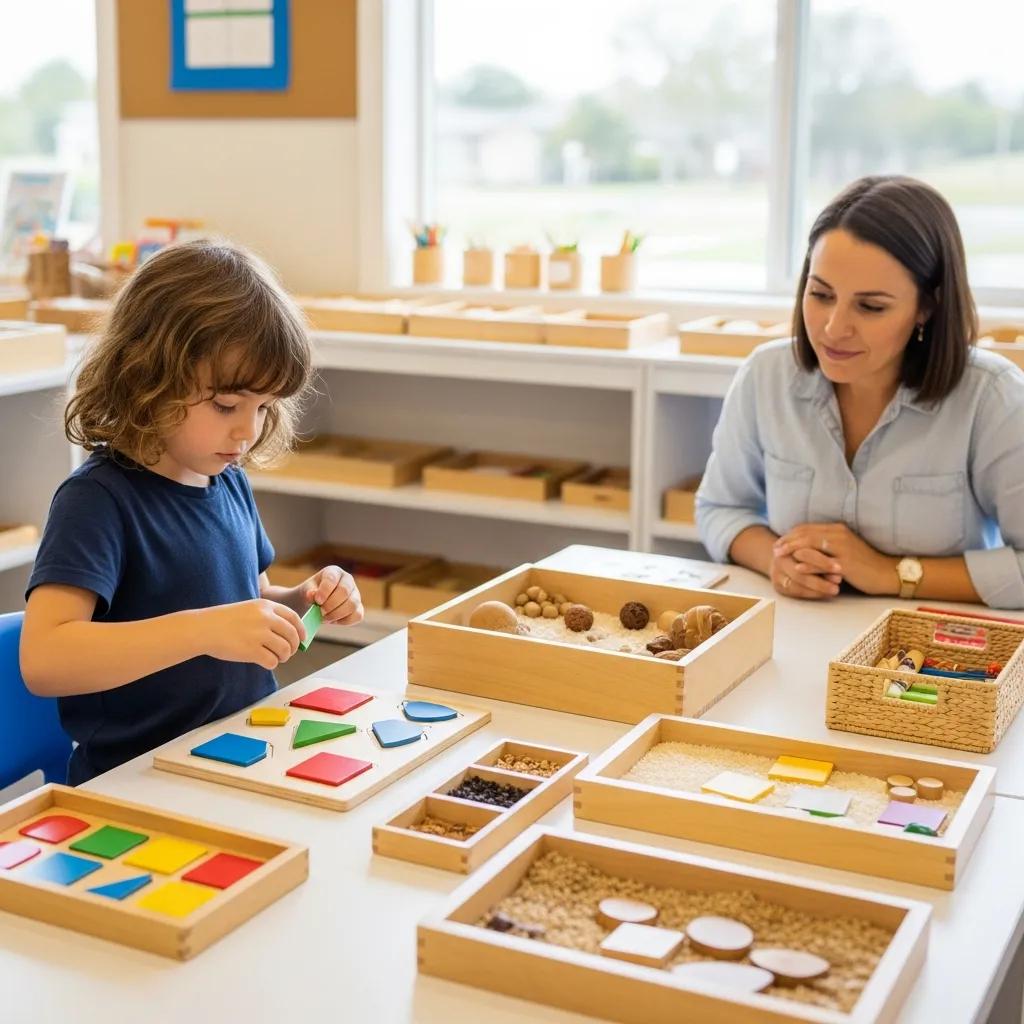
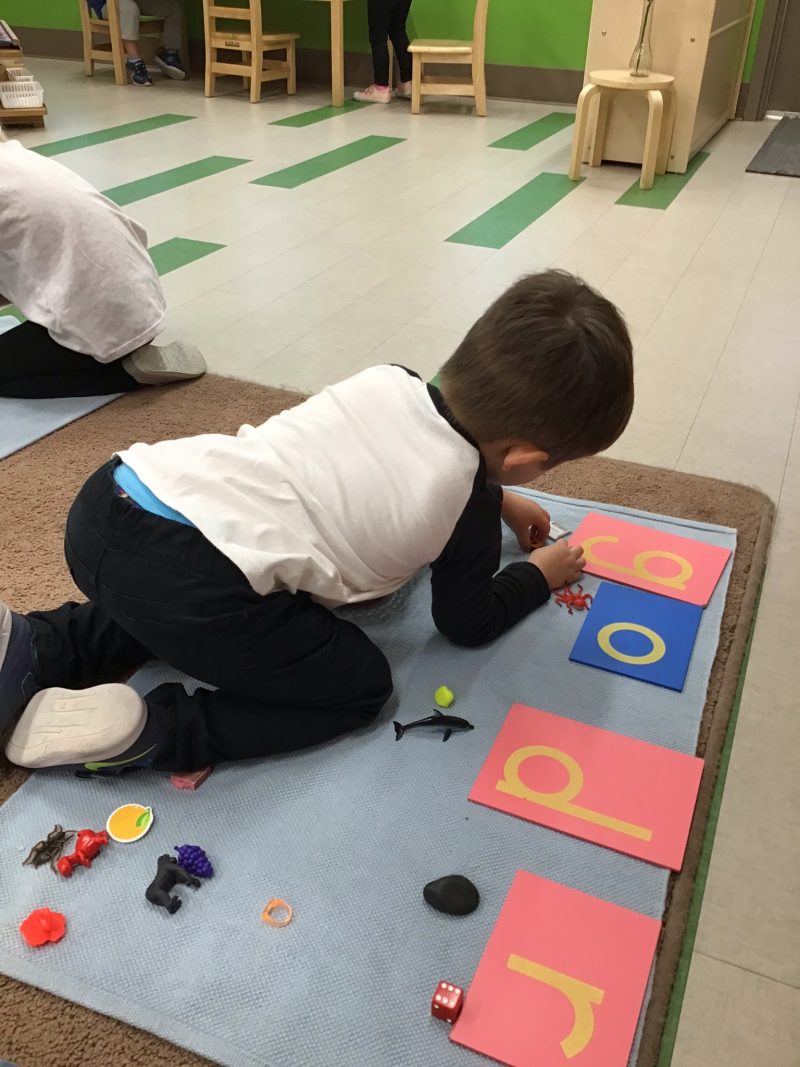
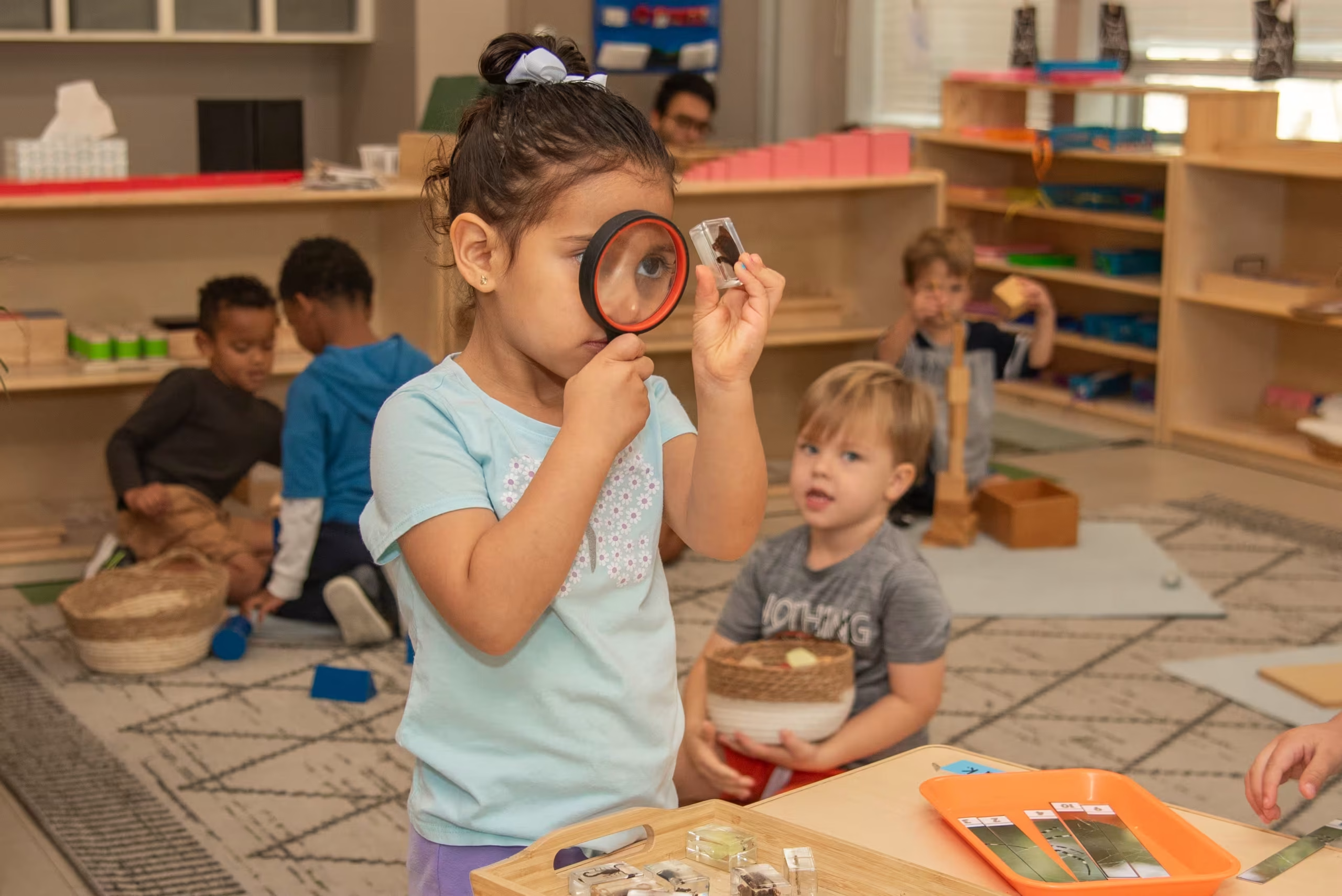
Inquiry-based learning is an educational approach that prompts children to ask questions, engage with materials, and develop solutions through hands-on exploration. In Montessori classrooms this mechanism relies on concrete Montessori materials, teacher-guided observation, and choice within a structured environment to turn curiosity into sustained learning. The teacher’s role is primarily to prepare the setting, model inquiry, and intervene with targeted lessons that scaffold problem solving; this creates a cycle where exploration leads to concept formation and then to purposeful repetition. As a result, children develop critical thinking, persistent attention, and early academic concepts through meaningful, tangible activity rather than rote instruction. Understanding this mechanism helps parents see why Montessori classrooms often yield self-directed learners who transition more easily into formal schooling contexts.
The effectiveness of such an approach is significantly enhanced by specialized teacher training, which equips educators with the pedagogical skills necessary for inquiry-based instruction.
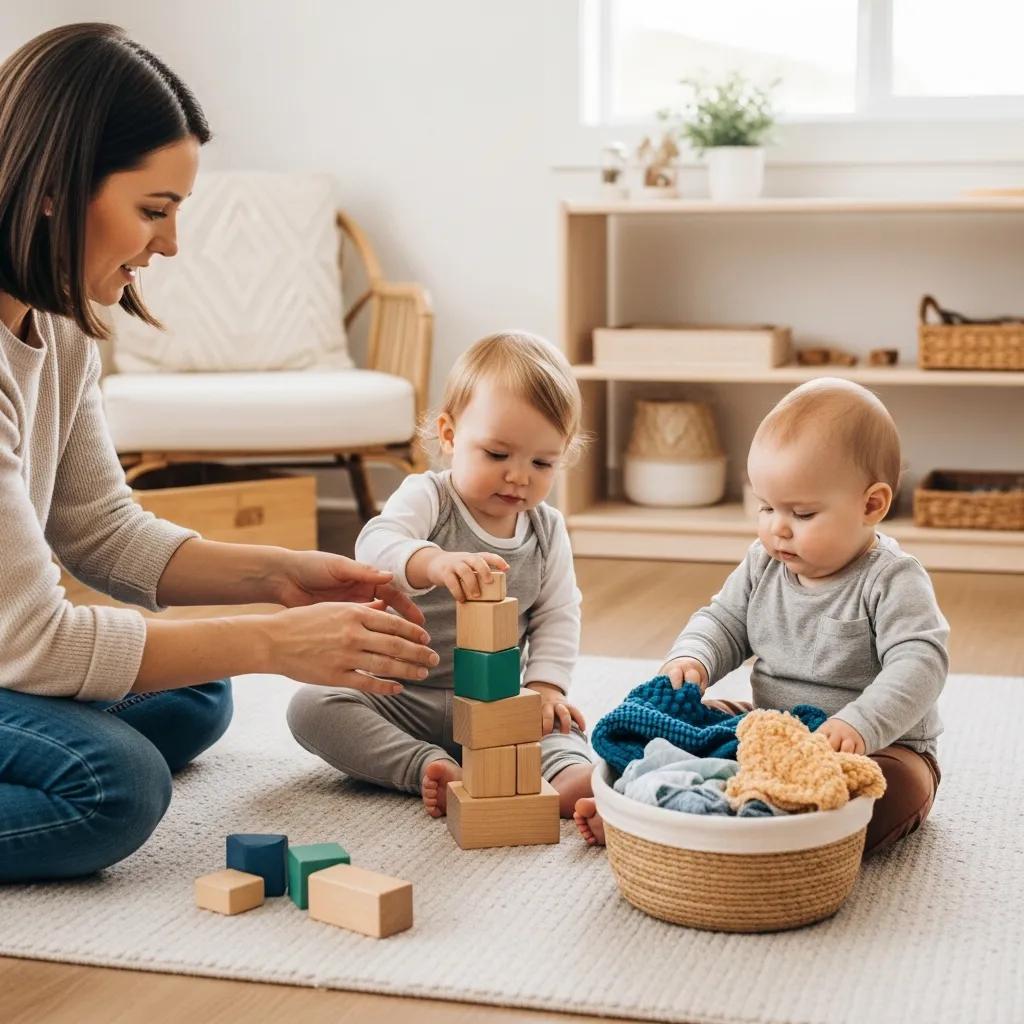
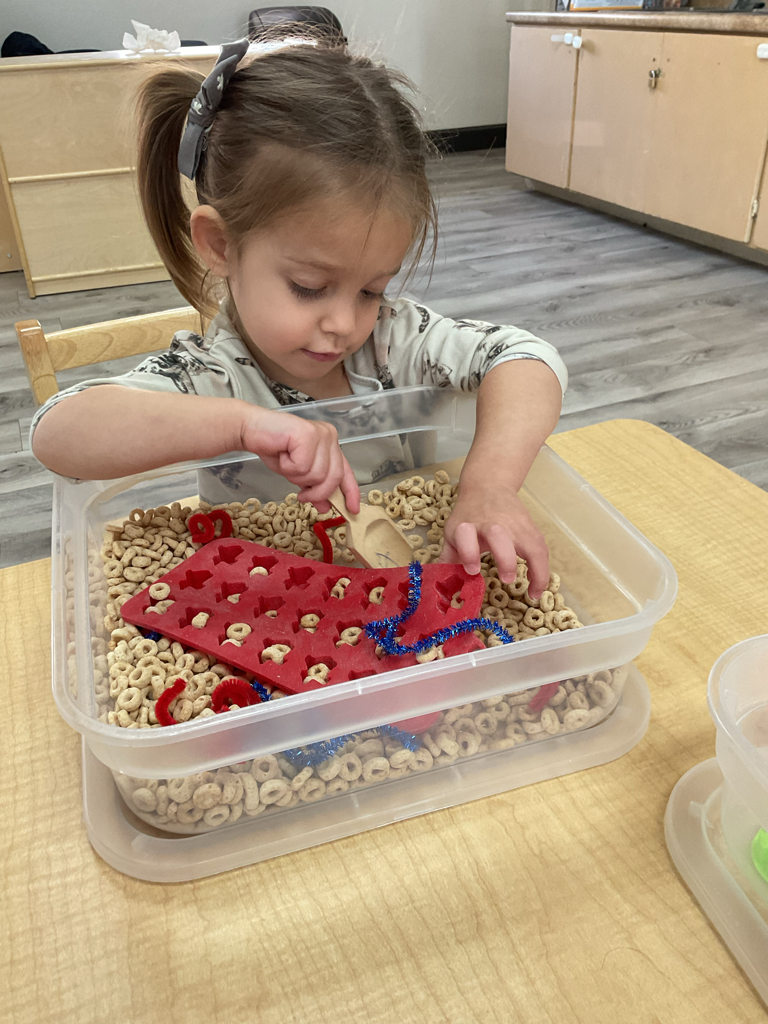
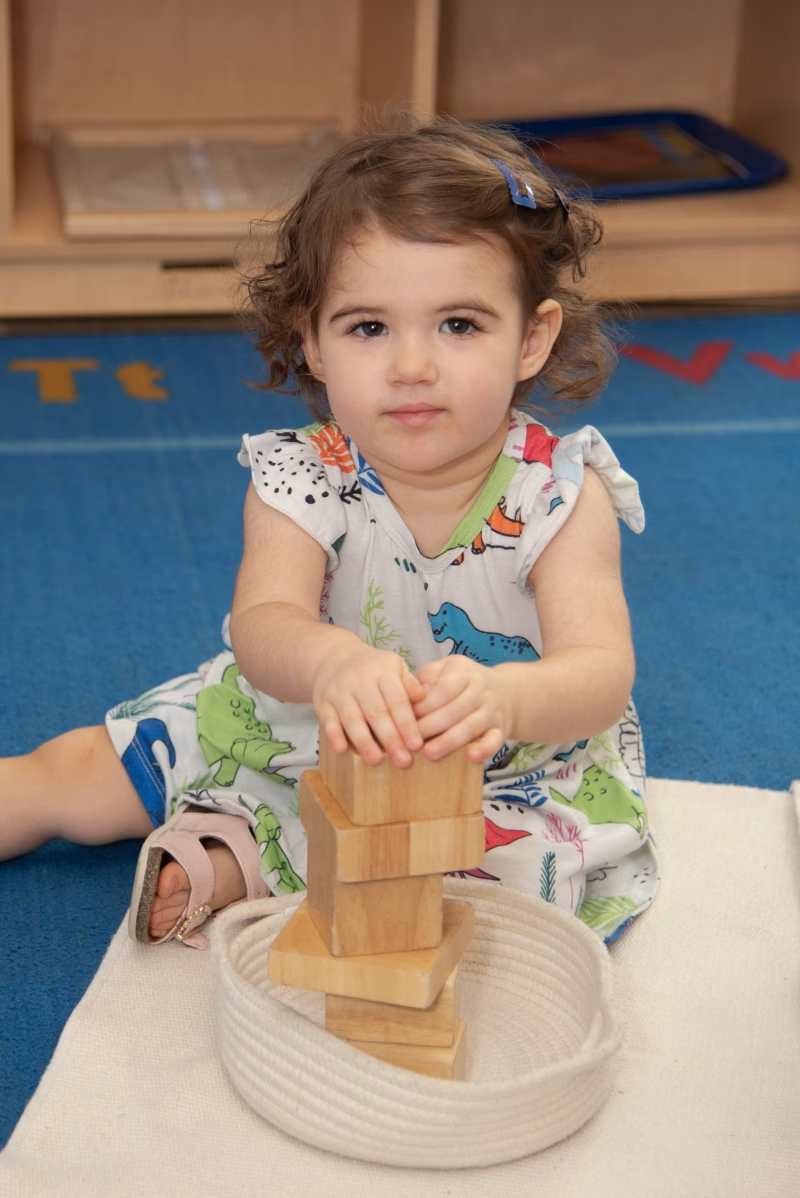
Infant and toddler programs focus on sensory engagement, motor milestones, and early independence through age-appropriate, hands-on materials and caregiver-led responsive routines. For infants beginning at 10 weeks, the emphasis is on nurturing secure attachment, sensory exploration, and early motor development using safe objects and guided movement experiences. Toddlers engage with simple practical-life activities, language-rich interactions, and movement supports that build coordination and emerging self-care skills. Complementary features named for program enrichment—such as a Movement & Motor Skills Lab and Yoga & Mindfulness—support sensorimotor and self-regulation outcomes during these critical stages. These program elements create the foundation for curiosity and independence that extend into primary Montessori environments.
Edquisitive Montessori operates multiple campuses across the San Antonio metropolitan area and Boerne, providing a mix of infant through kindergarten programming plus after-school care and summer camp options. The campus network provides geographic choices for families and enables program continuity from infancy to early elementary-age supports. Below is a scannable listing of campuses and the broadly available programs and services they offer as reported in 2025.
The following table summarizes campus-level attributes for easy parental comparison.
| Campus | Key Features | Example Services |
|---|---|---|
| Fair Oaks | Community-focused campus with a broad enrichment program | Infant through kindergarten programs; regular classes like music and mindfulness |
| NW Military | Faculty-led emphasis on Montessori fundamentals with specialist support | Infant to after-school options with Montessori specialists on staff |
| Stone Oak (Spanish Grove Academy) | Spanish-immersion focus woven into daily routines | Bilingual programming from toddler to primary with enhanced language activities |
| Medical Center (Little Red Caboose) | Logistics-focused services for Medical Center families, including pickup | After-school care with pickup options, summer camp, and extended care |
This table presents which campuses are named and the general program scope available across sites, including infant programs starting at 10 weeks, primary Montessori for 3–6 years, after-school care, and summer camp options for older children. The following paragraphs highlight specific campus characteristics and how programs respond to community needs.
Each campus combines facilities, staff expertise, and program emphasis with the Montessori Plus foundation. Fair Oaks centers on enrichment and community engagement, supporting early language and motor development through classes and labs. NW Military Campus highlights experienced faculty and Montessori specialists who guide children from toddler independence to primary-level academic work. Stone Oak’s Spanish Grove Academy provides sustained Spanish exposure to foster bilingual development and cultural competence. Little Red Caboose at the Medical Center focuses on family logistics with after-school pickup and flexible extended-care schedules to support working caregivers. These profiles help parents match program priorities—immersion, specialist instruction, enrichment intensity, or pickup convenience—to their child’s needs.
A concise mapping of program structures by age offers practical guidance for enrollment decisions.
Programs follow developmental milestones and learning goals tied to typical age ranges, creating clear progressions from attachment to autonomy and school readiness. Infant classrooms prioritize predictable routines, secure attachments, and sensory exploration to support early brain growth. Toddler rooms emphasize practical life skills and language expansion as motor and social routines strengthen. Primary Montessori focuses on independence, academic foundations, and multi-age collaboration using materials that scaffold literacy and numeracy. Kindergarten transitions blend Montessori mastery with school-readiness skills and group projects. After-school programs and summer camps extend inquiry and enrichment for children up to about 12 years, concentrating on homework support, social development, and project-based learning.
This age-aligned structure makes clear how daily activities and goals evolve as children move through the program sequence.
Montessori education promotes independence, social-emotional competence, and cognitive development through a prepared environment, individualized pacing, and hands-on materials that scaffold abstract concepts. These mechanisms work by providing children with choice, meaningful tasks, and opportunities for mastery; over time this builds executive function, intrinsic motivation, and collaborative skills essential for school readiness and life-long learning.
Research further supports how Montessori pedagogy is designed to foster comprehensive child development by respecting individual stages and stimulating potential.
Montessori Pedagogy for Integral Child Development
Different socio-cultural theories have been analyzed, and practices regarding human development have been presented as they guarantee an integral development of the child, one which respects infant developmental stages and offers the right scaffolding and environment to stimulate a child’s interest and potential.
Demands in Early Childhood Education: Montessori Pedagogy, Prepared Environment, and Teacher Training., L Domingo-Peñafiel, 2021
| Benefit | Mechanism | Outcome |
|---|---|---|
| Independence | Self-directed activities and practical-life lessons | Improved self-care, decision-making, and task persistence |
| Social-emotional learning | Mixed-age grouping and peer modeling | Enhanced cooperation, conflict resolution, and empathy |
| Cognitive development | Manipulative Montessori materials and inquiry tasks | Strong early literacy, numeracy foundations, and problem solving |
| Motor and regulation skills | Movement lab and yoga/mindfulness sessions | Better coordination, attention control, and stress regulation |
This table clarifies how Montessori components translate into measurable child outcomes and why educators and developmental researchers often link Montessori practices with strong readiness indicators. The next subsection explains how classroom practices in a Montessori setting specifically foster independence and SEL.
Edquisitive Montessori fosters independence through carefully prepared environments where children choose activities, complete self-directed sequences, and practice practical-life tasks under teacher guidance. Teachers observe and intervene with brief, targeted lessons to extend learning rather than direct the entire class, which cultivates internal motivation and persistence. Social-emotional learning emerges through consistent routines, mixed-age interaction, and explicit practices like mindfulness and cooperative games that reinforce perspective-taking and self-regulation. Movement and motor skill experiences also reduce impulsivity and support attention, creating a virtuous circle in which better regulation enables deeper cognitive engagement. These classroom mechanisms produce children who manage transitions, collaborate with peers, and approach novel tasks with curiosity.
Montessori and traditional preschool approaches differ across instruction style, assessment, grouping, and the role of materials, producing distinct developmental pathways for children. Montessori emphasizes child-led exploration with individualized pacing, mixed-age classrooms, and tangible materials that concretize abstract concepts; traditional preschools more often use teacher-directed lessons with age-segregated groups and whole-class instruction. The practical implications include greater autonomy and self-regulation for Montessori learners, while traditional settings may focus on standardized readiness metrics and group curricula. Below is a concise comparative list to summarize these contrasts for quick reference.
These contrasts help parents evaluate which pedagogy better fits a child’s temperament and a family’s educational priorities, with Montessori offering particular strengths in independence and self-directed learning.
Quality assurance at Edquisitive Montessori is communicated through external accreditations, state ratings, and emphasis on experienced faculty who implement Montessori principles consistently. Accreditation and rating systems validate program standards, curriculum coherence, safety and compliance practices, and ongoing improvement; experienced teachers translate those standards into effective classroom facilitation and individualized learning trajectories. In addition, participation in subsidy programs broadens access while requiring compliance with eligibility and quality protocols. The next subsection defines the listed accreditations and explains their implications for families.
Edquisitive Montessori quality features include:
These elements work together so families can expect an organized program structure paired with classroom-level expertise that supports consistent child outcomes.
Cognia Accreditation denotes that a school has undergone external review for continuous improvement, curriculum alignment, and student-centered practices, offering families a third-party assessment of program quality. The Texas Rising Star 4-Star rating indicates a high level of state-aligned quality in early childhood programs, covering staff qualifications, learning environment, and program operations, which helps parents compare providers on standardized criteria. Both recognitions suggest that a program maintains documented processes for curriculum delivery and compliance, and that it participates in measurable improvement cycles to maintain standards. For families, these credentials imply greater transparency and a higher likelihood of consistent, research-aligned practices in daily classroom life.
Qualified Montessori teachers contribute by preparing learning environments, modeling inquiry, and conducting careful observations that inform individualized lesson sequencing. Teachers use assessment-as-observation to tailor challenges and to introduce materials at developmentally appropriate moments, thereby accelerating concept internalization and autonomy. Experienced faculty also mentor peers, maintain classroom routines that support executive function, and implement enrichment activities—such as science labs, movement sessions, and bilingual segments—that extend foundational Montessori experiences. The combination of teacher expertise and structured environment results in predictable developmental gains and smoother transitions into subsequent schooling.
Edquisitive Montessori provides parent-facing resources and support that help families navigate admissions, financial assistance, and program fit; these resources are designed to clarify program philosophy, scheduling options, and where to find more detailed information. Parents can access testimonials, FAQs, and tour scheduling options as primary decision tools, and they can confirm subsidy eligibility (CCA/CCS) when assessing affordability and enrollment timelines. The paragraphs below indicate where parents typically look for admissions information and how community supports connect to program offerings.
Admissions and enrollment resources include clear program descriptions, age-range guidance, and pointers for scheduling visits and learning about tuition supports. Because the organization accepts military and state subsidy programs, families eligible for Child Care Aware or Child Care Services should explore those funding routes as part of the enrollment conversation. For specific timelines, tuition rates, and tour requests, parents are advised to consult the school’s official resources and reach out through the provided contact channels.
A general roadmap for admissions emphasizes reviewing program age ranges, confirming subsidy eligibility if applicable, scheduling a tour to observe classroom fit, and reviewing tuition and enrollment documentation. While detailed tuition figures and step-by-step admissions procedures are available through the school’s official resources, families benefit from confirming whether subsidy programs like CCA or CCS apply to their situation since those programs affect net tuition costs. Prospective parents are encouraged to schedule a tour or contact the school directly to discuss classroom availability and subsidy application processes, which helps align expectations before enrollment.
Parents can find parent testimonials, frequently asked questions, and schedule-a-tour options through the school’s official family resources; these materials typically provide firsthand perspectives, operational details, and the practical next steps for visiting a campus. Reading testimonials and FAQs helps families understand daily rhythms, program priorities, and the kinds of outcomes other parents have observed in Montessori settings. To arrange a visit or to request specific enrollment information, families should use the school’s published contact options or listed phone number to initiate a conversation and confirm available tour times.
Families choose Edquisitive Montessori for a mix of deep pedagogy, verifiable quality signals, and practical conveniences that fit modern family life. Our key strengths are the Montessori Plus approach that encourages independence and curiosity, smaller class sizes with experienced faculty for individualized attention, and a wide enrichment slate—yoga, music, Spanish, science, mindfulness, and motor labs—that supports multiple areas of development. Our multi-campus network and services like Medical Center after-school pickup offer logistical benefits for working families who need dependable transitions and extended care. Together, these features emphasize both long-term readiness and everyday family practicality.
These differentiators set us apart from conventional daycare models by prioritizing individualized learning and accredited program structure rather than solely custodial care. The next section summarizes recurring themes from parent feedback and comparative program insights.
Kindergarten registration is right around the corner—Boerne ISD, NISD, NEISD, and other San Antonio Area school districts opens enrollment in March 2026, and if you’re […]
Quick Answer: Is Elf on the Shelf Real? No, the Elf on the Shelf is not real. It’s a holiday tradition where parents move a […]
The Deep Work of Toddlerhood—And the Special Teachers It Demands If you’re a parent of a toddler, you know the feeling: they are non-stop. Their […]
One approach, multiple neighborhoods—each with its own sense of community.